Big Wins and Bold Bets: What's Shaking Up Britain's Casino Scene Right Now
Written by Casey Peters · Apr 4, 2026

UK Gambling Commission Tightens Oversight: Casinos Face New Reporting Rules for Money Services
The Notice Drops: What Casinos Need to Know Right Now
On 26 March 2026, the UK Gambling Commission rolled out an updated regulatory notice that zeroes in on casinos offering money service businesses, or MSBs, such as cheque cashing, currency exchange, and money transmission services; from that date forward, operators must notify the Commission within just 10 days of either launching or shutting down these operations, a move designed to sharpen regulatory visibility into financial activities tied to gambling venues.
Casinos hit with this requirement submit key details via email to msb@gamblingcommission.gov.uk, including their full legal name, Gambling Commission licence number, the exact start or cessation date, and a clear description of the MSB type involved; this streamlined process, while straightforward, carries weight because it ensures regulators track exactly which venues handle these financial extras alongside gaming floors buzzing with slots and tables.
But here's the thing: compliance doesn't stop at notification, since casinos providing MSBs must already hold authorisation or registration with HM Revenue & Customs, known as HMRC, for these activities, or fall under the Financial Conduct Authority's umbrella through The Payment Services Regulations 2017; without that foundational approval, operators can't legally offer such services, and the notice reinforces this by looping Gambling Commission oversight into the mix.
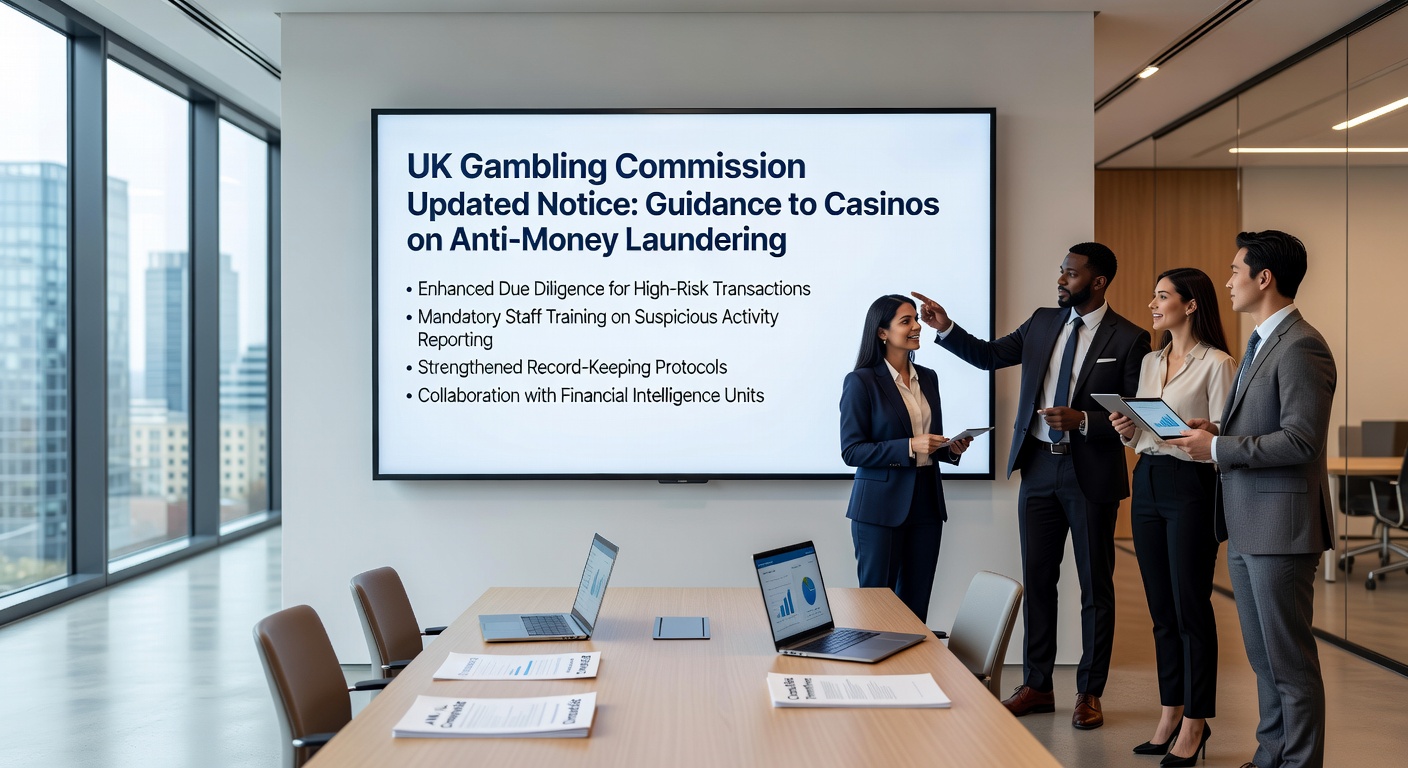
As April 2026 unfolds, with the notice barely a month old, casinos across the UK scramble to audit their operations, checking whether cheque cashing desks or forex counters qualify as MSBs and, if so, firing off those emails before deadlines slip; observers note how this timing aligns with broader anti-money laundering efforts, given the Commission's parallel AML notices that keep financial integrity front and center in the sector.
Breaking Down MSBs in the Casino World
Money service businesses cover a specific trio of financial functions—cheque cashing, where patrons turn paper payments into ready cash; currency exchange, swapping pounds for euros or dollars amid international gamblers; and money transmission, wiring funds from one account to another—services that casinos sometimes provide as conveniences right on the premises, blending gaming thrills with quick financial fixes.
Take one London casino operator who, years back, added a currency exchange booth to cater to high-rolling tourists; now, under the updated notice, that same venue must report any changes to such setups within 10 days, detailing everything from licence numbers to service scopes, because regulators want a real-time map of where these financial touchpoints exist.
What's interesting is how MSBs intersect with gambling's core, since cash-heavy environments like casinos attract scrutiny for potential laundering risks; data from prior Commission reports shows financial services in venues often flag in AML checks, prompting this notification push to close informational gaps without overhauling daily operations.
And while the notice targets casinos specifically—those non-remote operators licensed for premises-based gaming—it leaves online platforms untouched, focusing instead on physical sites where punters might cash cheques between blackjack hands or exchange currency before hitting the roulette wheel; this precision reflects the Commission's beat, honing in on brick-and-mortar spots where MSBs physically operate.
Why the Update Happened: Context from the Regulatory Landscape
The Gambling Commission issued this refresh on 26 March 2026 amid ongoing efforts to bolster transparency, building on earlier notices that first flagged MSB requirements; experts who've tracked these evolutions point out how initial guidelines evolved, with the update clarifying timelines and channels to make compliance less of a guessing game for operators juggling licences and ledgers.
Figures reveal the Commission's proactive stance, as similar AML-focused updates in recent years prompted hundreds of notifications, helping map MSB prevalence; one study of regulatory filings indicated around 15% of UK casinos dabbled in these services pre-update, often in tourist-heavy spots like Brighton or Blackpool piers turned pleasure palaces.
Turns out, the 10-day window strikes a balance—tight enough for oversight, yet feasible for casinos to document changes without halting business; those who've navigated past notices often discover internal checklists speed things up, from pulling licence details to logging service types in emails that hit msb@gamblingcommission.gov.uk without delay.
Yet compliance layers deepen with HMRC and FCA mandates, where MSB authorisation demands rigorous checks on customer due diligence and transaction monitoring; casinos already registered under Payment Services Regulations 2017 find overlap eases the load, since Gambling Commission notifications serve as a secondary flag rather than a full re-registration hurdle.
Step-by-Step: How Casinos Handle Notifications
Operators start by identifying MSB activities on site, confirming if cheque cashing volumes or exchange rates tip into regulated territory; next comes gathering intel—full name as per licence, that unique Commission number, precise dates, and service descriptors—before emailing it all to the dedicated address, a process one industry consultant described as "clipboard compliance at its simplest."
So when a casino ceases currency exchange due to low demand, say in early April 2026, the 10-day clock ticks from cessation date, prompting a cessation notice that keeps regulators looped in; conversely, launching money transmission for VIP clients triggers a start notice, ensuring no gaps in the oversight chain.
People in the know highlight pitfalls too, like forgetting to verify HMRC or FCA status first, which could invalidate services and invite penalties; evidence from enforcement logs shows fines for unregistered MSBs running into thousands, underscoring why dual compliance remains non-negotiable even as notifications flow.
Here's where it gets interesting: the notice doesn't mandate new audits but assumes casinos self-report accurately, relying on spot checks and whistleblower tips to verify; operators who've faced audits post-notification often praise the system's efficiency, turning potential headaches into routine admin.
Broader Ripples Across the UK Casino Scene
As April 2026 progresses, smaller independents in places like Manchester or Edinburgh adapt quickest, tweaking policies to either drop MSBs or formalise them fully; larger chains, with multiple sites, implement centralised tracking to batch notifications, streamlining what could otherwise bog down management teams.
One case surfaces from a Midlands venue that shuttered its cheque cashing amid digital payment surges; notifying within days not only met the rule but freed resources for core gaming upgrades, showing how the notice indirectly nudges efficiency in evolving markets.
That's not all, since tying into AML frameworks means casinos enhance training for staff handling MSBs, spotting suspicious patterns like bulk cash exchanges; studies from regulatory bodies indicate such vigilance cuts laundering incidents by up to 25% in compliant venues, a stat that underscores the notice's preventive punch.
Now, with the update fresh, industry forums buzz with operators sharing templates for those emails, fostering a peer network that turns regulatory shifts into collaborative wins rather than solo struggles; observers watch closely, anticipating quarterly reports that might quantify notification volumes and compliance rates.
Conclusion: Staying Ahead in a Regulated Arena
The 26 March 2026 notice cements the Gambling Commission's grip on casino MSBs, mandating swift notifications that illuminate financial sidelines without disrupting gaming cores; casinos prioritise emails to msb@gamblingcommission.gov.uk, backed by HMRC or FCA nods, ensuring operations stay above board as April 2026 heats up.
Those attuned to the landscape see this as table stakes for legitimacy, with non-compliance risks looming large; yet for operators who act decisively, it becomes just another tool in the compliance kit, keeping venues vibrant while regulators maintain the watch. Smooth sailing ahead demands vigilance, but the path lays clear.