Britain's Betting Boom: Fresh Twists in Casino Landscape
Written by Carlo Beck · Apr 9, 2026

UK Gambling Commission Refreshes Anti-Money Laundering Guidance for Casinos Offering Money Services
The Latest Update from the Regulator
On 26 March 2026, the UK Gambling Commission released an updated notice targeting non-remote casino operators who provide money service business activities, such as currency exchange or money transmission services; this move sharpens focus on anti-money laundering compliance, ensuring these venues align tightly with broader MSB regulations while operators digest the changes into their daily practices as April 2026 unfolds.
Non-remote casinos, those brick-and-mortar establishments dotting high streets and tourist spots across Britain, often extend beyond gaming floors to offer financial services like swapping euros for pounds or wiring funds, but here's the thing: such offerings classify them as money service businesses under UK law, subjecting them to rigorous checks against illicit flows of cash.
The notice, titled "Updated notice regarding casinos providing money service businesses," arrives at a time when regulators scrutinize financial intersections in gaming more closely than ever, with experts noting how casinos' dual role as entertainment hubs and cash handlers creates unique vulnerabilities to money laundering schemes.
Breaking Down Money Service Businesses in Casinos
Casinos providing MSB activities handle transactions that go far beyond chip buys or prize payouts; they facilitate currency exchanges for international visitors seeking to gamble without the hassle of banks, or money transmissions that let players send winnings abroad swiftly, yet these conveniences demand ironclad safeguards since data from past enforcement actions reveals how criminals exploit such services to clean dirty money through high-volume, low-risk bets.
Under the Money Laundering, Terrorist Financing and Transfer of Funds (Information on the Payer) Regulations 2017, as amended, MSBs must register with the Financial Conduct Authority, conduct customer due diligence, monitor transactions for suspicious patterns, and report anomalies promptly; non-remote casinos fall into this net when they cross certain thresholds, like exchanging over £1,000 daily or transmitting funds regularly, turning gaming floors into frontline defenses against financial crime.
What's interesting here is the Gambling Commission's role: while the FCA oversees MSB registration, the Commission enforces gambling-specific AML rules, bridging the two worlds so operators don't drop the ball on either front, and this update clarifies overlaps, reminding venues that MSB compliance isn't optional but baked into their operating licences.
Key Elements of the Updated Guidance
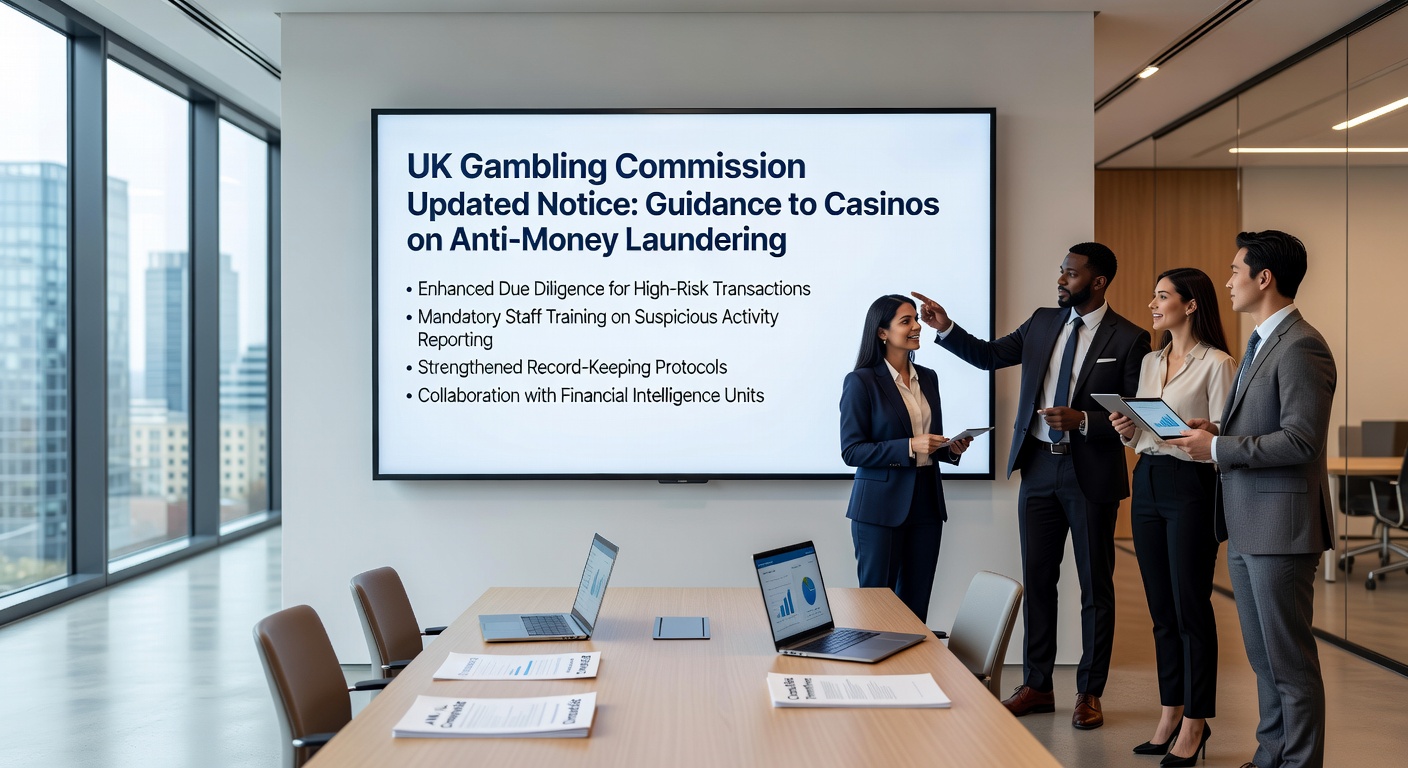
The refreshed notice outlines practical steps for compliance, starting with mandatory risk assessments tailored to each casino's MSB volume; operators must map out how currency exchanges or transmissions could launder funds, factoring in customer profiles like high-rollers from high-risk jurisdictions, and then implement controls such as enhanced verification for large swaps or transaction limits tied to player histories.
Training staff ranks high too, with the guidance stressing ongoing programs that equip floor managers and cash desk teams to spot red flags—think rapid, repetitive exchanges with no gaming activity in between, or mismatches between declared funds and gambling patterns—while record-keeping gets a nudge for digital logs that withstand audits lasting up to five years.
And then there's reporting: casinos must file suspicious activity reports via the National Crime Agency's portal without delay, a process the notice details with flowcharts and examples, ensuring even smaller operators grasp the urgency; failure to comply risks fines, licence suspensions, or worse, as past cases demonstrate where venues paid millions for lapses.
Who Feels the Impact and How
This targets non-remote casinos exclusively—those physical sites from London’s West End to seaside resorts in Blackpool—excluding online platforms since remote operators rarely touch physical cash services; around 150 such venues operate MSB functions, according to industry estimates, and they now scramble to audit systems before routine inspections ramp up in April 2026.
Take one operator in Manchester who, observers note, already tightened procedures post-notice, introducing biometric ID checks for exchanges over £5,000; such adaptations show how the guidance prompts proactive tweaks, balancing customer flow with security without grinding operations to a halt.
But it's not just big players: smaller independents, where MSB forms a side hustle to boost footfall, face steeper curves since resources stretch thin, yet the Commission provides templates and helplines, making compliance accessible even for those juggling tight margins.
Context Within Broader AML Landscape
The timing aligns with EU influences lingering post-Brexit, where the 5th and 6th Anti-Money Laundering Directives pushed for casino-specific rules on ultimate beneficial owners and crypto risks, although UK adaptations focus on fiat services; figures from the Commission's annual reports indicate AML breaches in gambling hit £25 million in penalties last year alone, underscoring why refreshes like this land now.
Experts who've tracked enforcement patterns point out how notices evolve: this one builds on 2022 guidance by incorporating FCA feedback loops and tech advancements like AI screening tools, which casinos increasingly deploy to flag anomalies in real-time; one study from compliance consultants revealed 70% of operators using such software cut suspicious transactions by half within months.
So as April 2026 progresses, with tax season and tourist peaks converging, venues prioritize these updates, knowing regulators monitor high-traffic periods closely for compliance slips.
Practical Steps Operators Are Taking
Across the sector, responses vary but follow clear patterns: many casinos roll out policy overhauls by mid-April, integrating MSB clauses into staff handbooks with mandatory quizzes to verify understanding; others partner with fintech firms for automated due diligence, streamlining what used to be manual paperwork drudgery.
There's this case where a Birmingham venue, facing prior FCA warnings, led with a full audit revealing gaps in transmission monitoring, which they fixed via software upgrades ahead of the notice—proving early movers stay ahead; people in the know say such stories multiply as the industry shares best practices through trade bodies like the British Casino Association.
Yet challenges persist: integrating MSB rules with gaming AML creates dual reporting headaches, but the guidance's consolidated checklists ease that burden, turning complexity into checklists.
Looking Ahead: Enforcement and Industry Ripple Effects
Regulators signal no grace period; spot checks begin soon, with the Commission vowing proportionate but firm action against non-compliance, drawing from precedents where laggards lost MSB privileges entirely; this keeps the pressure on while rewarding diligence.
Longer term, the update fosters a cleaner ecosystem, deterring criminals who once viewed casinos as soft laundering targets; data indicates suspicious reports from gaming rose 15% last year, a sign systems work when tuned right.
And with digital wallets encroaching on physical exchanges, future notices might expand scope, but for now, this refresh solidifies foundations for non-remote operators navigating cash-heavy worlds.
Wrapping Up the Regulatory Shift
The 26 March 2026 notice stands as a pivotal clarification for UK casinos blending gaming with money services, embedding MSB compliance deeper into operations while equipping venues with tools to thrive securely; as April brings implementation realities, the sector adapts swiftly, ensuring financial integrity bolsters rather than burdens the entertainment it delivers.
Operators who embed these guidelines early position themselves strongly, turning regulatory demands into operational strengths that safeguard patrons and reputations alike; the writing's on the wall for seamless, compliant money handling in Britain's casino landscape.