Casinos Get Fresh Reminder: UK Gambling Commission Tightens Money Service Notifications
Written by Casey Peters · Apr 2, 2026

Casinos Get Fresh Reminder: UK Gambling Commission Tightens Money Service Notifications
The Latest Update from the Regulator
Observers in the UK gaming sector have noted a key development as the UK Gambling Commission rolls out an updated notice in April 2026, specifically targeting casinos that provide money service businesses, or MSBs; these include services like third-party cheque cashing, third-party transfers, and foreign currency exchange, and the regulator now requires operators to notify them within ten days of either launching or ceasing such offerings. Casinos, which often cater to international crowds and high rollers, have long offered these conveniences on their floors, but this refreshed guidance sharpens the focus on timely reporting, ensuring everyone stays aligned with anti-money laundering protocols and broader financial oversight.
What's interesting here is how the Commission builds on existing rules without overhauling them entirely; instead, it reinforces the need for prompt communication, a move that experts see as part of ongoing efforts to keep the sector transparent amid evolving financial crime threats. Operators must now email specific details—think full business name, licence number, exact start or stop dates for the service, and a clear description of the MSB type—to msb@gamblingcommission.gov.uk, turning what could be a casual update into a structured compliance step.
Breaking Down the Notification Process
Take one typical casino operator dipping into MSB territory; they start offering foreign exchange to attract overseas players, and within ten days, that email goes out with all the particulars laid out precisely, or they risk falling afoul of licence conditions. The same applies when winding down a service, say cheque cashing proves unviable due to digital shifts; notification ensures the Commission tracks these changes accurately, maintaining a clear picture of risk across the estate.
And it's not just about the Gambling Commission; operators bear responsibility for registering with HMRC if their MSB activities qualify under money service regulations, while also securing FCA authorisation where payment services enter the frame, all of which ties into the Money Laundering Regulations 2017 that demand rigorous oversight. Data from regulatory filings shows many casinos already navigate this landscape, but the updated notice serves as a back-to-basics reminder, especially as April 2026 brings it back into sharp focus for licence renewals and audits.
Here's where it gets interesting: the process isn't buried in fine print; the Commission's guidance page spells it out plainly, complete with templates and examples, so even smaller venues with occasional transfers can comply without much hassle, although larger chains handling high volumes face the real compliance grind.
Why MSBs Matter in the Casino World
Casinos have offered these services for years—picture a player from abroad cashing a traveller's cheque at the cage or wiring winnings home seamlessly—yet regulators grew vigilant post-financial scandals, recognizing how such operations could unwittingly channel illicit funds if unchecked. Studies from bodies like the Financial Action Task Force highlight MSBs as high-risk vectors for laundering, which explains why the Gambling Commission, in tandem with HMRC and the FCA, insists on this layered approach; notification lets them map exposures quickly, intervening if patterns emerge.
One case observers recall involved a Midlands casino pausing third-party transfers amid a routine review; they notified promptly, averting potential fines that have hit non-compliant peers in the past, where penalties reached six figures for delayed reporting. Turns out, the ten-day window strikes a balance—not so tight it disrupts operations, but firm enough to keep records current, particularly as digital wallets and crypto flirt with traditional MSBs, prompting questions about what's next.
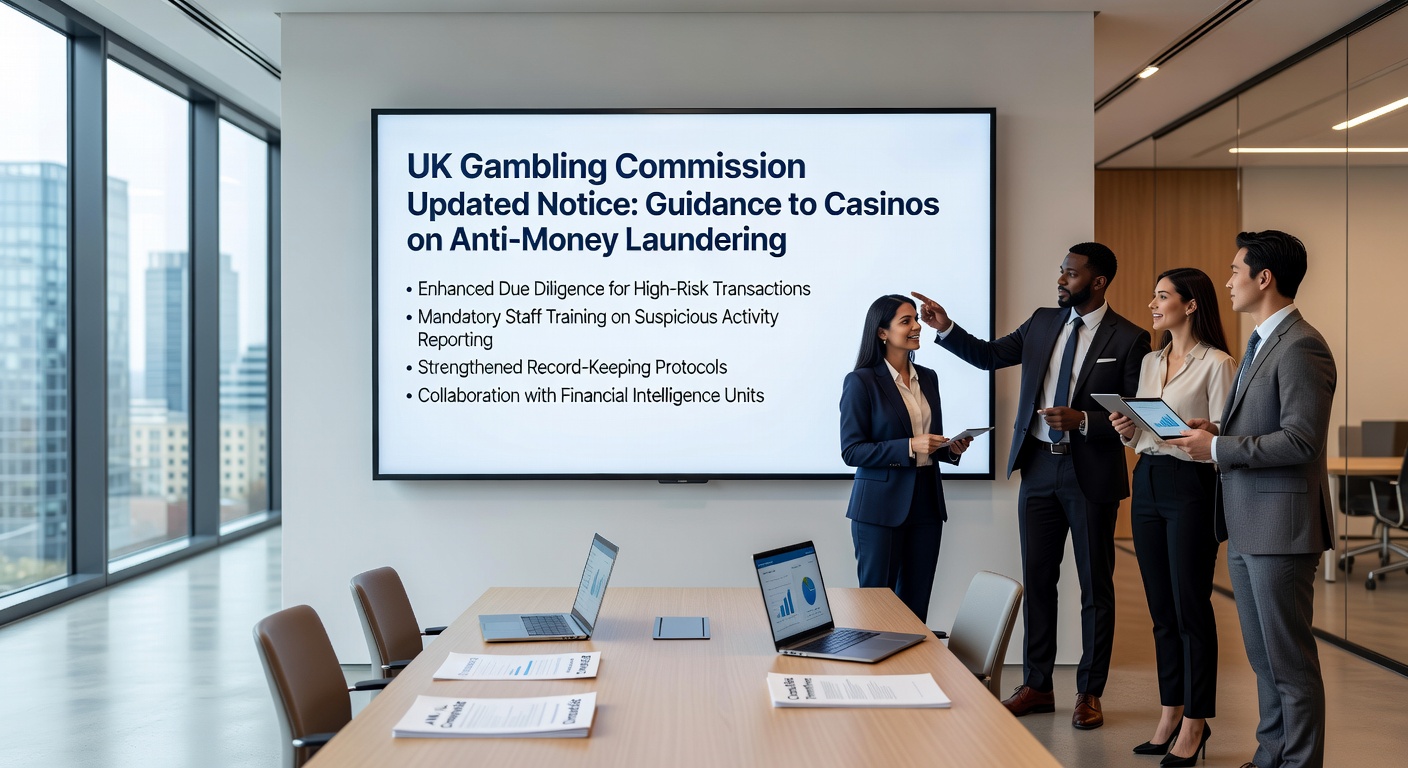
But here's the thing: while the notice targets casinos specifically, it underscores a broader ecosystem where land-based venues intersect with financial services, and compliance isn't optional; failure to notify can trigger enforcement actions, from warnings to licence reviews, as evidenced by past Commission bulletins detailing such outcomes.
Compliance Essentials and What Operators Need to Know
Those who've studied the regs point out key steps: first, assess if the service truly qualifies as an MSB—HMRC's registration threshold kicks in for activities like cashing cheques over certain volumes or transmitting funds internationally; second, loop in the FCA if electronic money or payments are involved, since their perimeter rules evolved post-Brexit to capture more players. Casinos submit the notification email, attaching proof where required, and keep records for audits, which the Commission conducts routinely, especially for high-stakes sites.
Now, in April 2026, with economic pressures squeezing margins, some operators weigh dropping MSBs altogether to simplify admin; others double down, seeing them as player perks that boost footfall, but either way, the updated notice puts the ball in their court to act swiftly. Experts who've parsed similar updates note that proactive operators often use compliance software to automate these reports, turning a chore into a seamless tick-box exercise.
It's noteworthy that the Commission provides a dedicated email—msb@gamblingcommission.gov.uk—for these matters, streamlining what used to scatter across general channels; this tweak alone, per industry feedback loops, cuts response times and clarity issues that plagued earlier iterations.
Broader Implications for the Sector
So, as casinos adapt, the ripple effects touch staffing—trained cashiers now double as compliance gatekeepers—and tech upgrades, with some integrating MSB tracking into their casino management systems for real-time alerts on the ten-day deadline. Figures from prior Commission reports reveal hundreds of UK casinos engage in these services, particularly in tourist hubs like London and Manchester, where foreign exchange hums alongside slots and tables.
Yet challenges persist; smaller independents gripe about dual HMRC-FCA hurdles, although the notice clarifies that Gambling Commission oversight doesn't replace those obligations, merely complements them in the fight against financial crime. One researcher tracking enforcement trends found that notified changes helped flag anomalies early, preventing escalations that cost the industry millions in remediation.
And while the update feels routine, it's timely amid April 2026's regulatory calendar, coinciding with fee adjustments and participation stats releases that paint a vibrant yet scrutinized casino landscape.
Conclusion
The UK Gambling Commission's updated notice lands as a clear call to action for casinos handling MSBs, mandating ten-day notifications complete with precise details via a straightforward email channel, all while upholding HMRC and FCA compliances that safeguard the sector's integrity. Operators who stay ahead—mapping services, documenting changes, and reporting promptly—navigate this without a hitch, as past cases demonstrate; those who lag risk the scrutiny that follows. In the end, this refresh keeps the focus sharp on transparency, ensuring money services enhance rather than undermine the gaming experience, with April 2026 marking a pivotal moment for alignment across the board.