Evoke plc Eyes Potential £225 Million Takeover from Bally’s Intralot Amid Debt Pressures
Written by Casey Peters · Apr 25, 2026

Evoke plc Eyes Potential £225 Million Takeover from Bally’s Intralot Amid Debt Pressures
Advanced Talks Signal Major Shift for UK Gambling Powerhouse
Evoke plc, teh company behind powerhouse brands like William Hill UK and the 888 online casino, has confirmed it's deep into discussions with Bally’s Intralot over a potential takeover valued at £225 million—or about $303.88 million depending on exchange rates that fluctuate daily. This all-share deal, complete with a partial cash alternative, emerges right as Evoke grapples with a hefty £1.8 billion debt load, something that's forced strategic reviews across its operations; observers note how such financial strains often push firms toward consolidation in competitive sectors like gambling.
What's interesting here is the timing: with UK gambling tax hikes biting harder than expected, Evoke announced plans to shutter 200 William Hill betting shops starting in May 2026, a move that underscores the shifting landscape where online platforms increasingly eclipse physical locations. Bally’s Intralot now holds the ball in its court, facing a hard deadline of 5:00 p.m. London time on May 18, 2026, to either commit under UK takeover rules or walk away by declaring no intention to bid.
And while the deal remains in flux—neither side has locked it in—Evoke's public confirmation keeps shareholders and industry watchers glued to every development, especially since April 2026 brought fresh scrutiny to debt-laden operators navigating regulatory headwinds.
Evoke's Backstory: From Acquisitions to Mounting Challenges
Those who've tracked Evoke know it built its empire through bold moves, snapping up William Hill's UK retail and online assets back in 2022 for a staggering sum, then folding in 888 Holdings to create a dual-threat in sports betting and casino gaming. But here's the thing: that £1.8 billion debt, piled up from those very deals, now looms large, particularly as UK policymakers ramp up taxes on gambling operators to curb problem betting while funding public services.
Recent strategic reviews, triggered by these tax pressures, revealed tough choices ahead; Evoke's decision to close those 200 shops—many in high streets across England, Scotland, and Wales—starts next May, potentially affecting thousands of jobs and reshaping local communities where betting shops have long been fixtures. Data from industry reports shows physical betting locations down 15% industry-wide since 2020, with online revenue surging to fill the gap, yet Evoke's hybrid model leaves it exposed when costs climb.
Turns out, the tax hikes—now pushing remote gambling duties toward 21% in some cases—have squeezed margins, forcing executives to eye partnerships or sales that could lighten the debt burden without fully surrendering control. Experts who've studied similar mergers point out how all-share structures like this one preserve cash while aligning long-term interests, although the partial cash option sweetens it for hesitant stakeholders.
Breaking Down the Bally’s Intralot Proposal
Bally’s Intralot steps in with this £225 million offer structured primarily as an all-share transaction—meaning Evoke shareholders would swap their stakes for Bally’s Intralot shares—yet including that partial cash alternative to provide some immediate liquidity, a hybrid approach that's become common in cash-strapped deals. According to details from industry news, the talks qualify as "advanced," signaling due diligence is underway, valuations crunched, and synergies mapped out.
Now, Bally’s Intralot isn't new to the game; as a joint venture blending Bally’s Corporation's US casino expertise with Intralot's global tech prowess in lotteries and betting systems, it brings a mix of stateside scale and European know-how that could mesh well with Evoke's UK dominance. People in the sector often find such cross-Atlantic plays stabilize volatile markets, especially when debt like Evoke's hits £1.8 billion and interest payments eat into profits quarter after quarter.
But the rubber meets the road with valuation: at £225 million, the offer implies a premium over recent trading levels—Evoke's shares dipped amid shop closure news—yet analysts crunching numbers suggest it hinges on projected cost savings from merged operations, like shared tech platforms for 888's online casino and William Hill's sportsbooks.
The Ticking Clock Under UK Takeover Regulations
UK takeover rules, enforced stringently to protect investors, give Bally’s Intralot until that May 18, 2026, cutoff at 5:00 p.m. London time to firm up its bid or bow out; miss it, and the path clears for Evoke to explore other suitors without this shadow hanging over talks. Observers note how these "put up or shut up" deadlines—part of the Takeover Panel's framework—prevent drawn-out fishing expeditions that rattle share prices.
So far, Evoke's board, after reviewing the proposal, has engaged without rejecting it outright, a sign that the numbers add up amid debt servicing costs projected to exceed £100 million annually if unchanged. And with shop closures looming just weeks after the deadline, the pressure builds; those 200 locations represent a chunk of William Hill's 1,400-plus estate, honed over decades as the UK's biggest high-street bookmaker.
Industry Ripples from Debt, Taxes, and Consolidation
This potential merger fits a pattern where UK gambling firms consolidate to weather tax storms; Entain and Flutter have trimmed shops similarly, pivoting to digital where 888 shines with its poker rooms, slots, and live dealers drawing millions monthly. Evoke's debt, largely from the 2022 William Hill carve-out—valued at £2.2 billion initially—now strains under higher borrowing costs, with central banks hiking rates since 2022 adding fuel to the fire.
Take one case from recent years: when smaller operators folded into giants, shareholders saw 20-30% uplifts post-deal, although integration hiccups—like tech overhauls—sometimes delay those gains. Bally’s Intralot, with its footprint in 30-plus countries and tech for instant-win games, could inject fresh capital and innovation, potentially accelerating Evoke's online growth while offloading some retail drag.
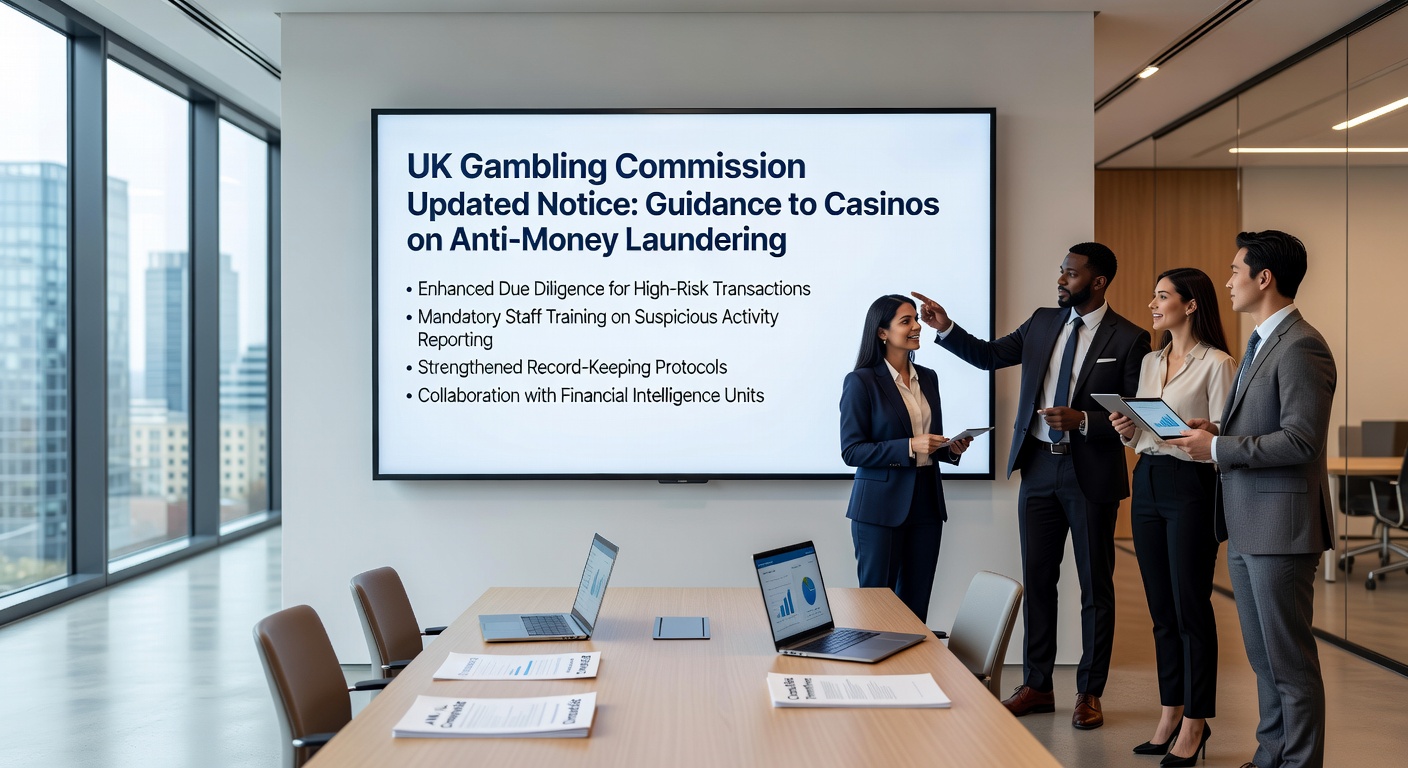
Yet regulatory eyes watch closely; the UK Gambling Commission, fresh off safer gambling mandates, would scrutinize any deal for consumer protections, ensuring William Hill's legacy of responsible betting endures. It's noteworthy that April 2026 saw preliminary talks leak, spiking Evoke shares 10% in a day, a classic market reaction when M&A whispers turn to shouts.
Conclusion
As Bally’s Intralot weighs its next move by mid-May 2026, Evoke stands at a crossroads—debt relief via this £225 million lifeline, shop rationalization underway, and a digital future beckoning amid tax realities. The all-share setup with cash kicker offers a path forward, but only if synergies deliver; industry watchers, having seen cycles of boom and bust, expect clarity soon, with UK gambling's landscape ever quick to shift. Whatever unfolds, this saga highlights how fiscal pressures forge unlikely alliances, keeping the sector's competitive edge sharp.