From Dealer Tables to Goal Lines: Tracing How Assistance and Payout Systems Bridge Gaming Formats
Written by Casey Peters · Aug 3, 2026
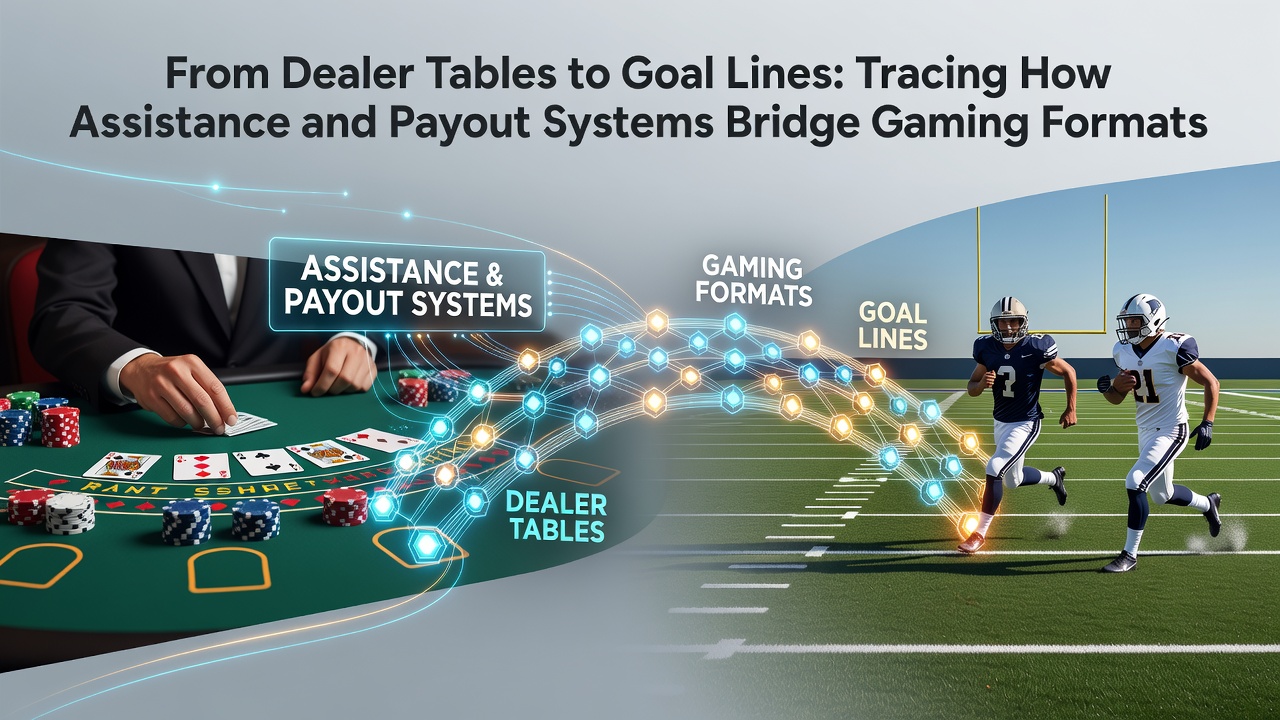
From Dealer Tables to Goal Lines: Tracing How Assistance and Payout Systems Bridge Gaming Formats
Assistance systems and payout mechanisms have evolved to connect table games, slot machines, live dealer platforms, and sports betting markets into unified player experiences. These components handle everything from real-time support queries at blackjack tables to instant transfers after a goal line wager settles. Data from regulatory filings show that operators increasingly deploy shared technology stacks rather than isolated tools for each format.
Assistance Systems Move Beyond Single-Format Support
Traditional casino floors relied on floor supervisors and dedicated pit bosses to resolve disputes and explain rules at dealer tables. Modern assistance layers extend that model across digital channels. Live chat agents now access unified player histories that include both roulette session data and pending sports bets, allowing seamless handoffs when a user switches formats mid-session. Researchers at the University of Nevada, Las Vegas documented how integrated ticketing systems reduced average response times by linking queries across verticals in a single dashboard.
Automated tools further extend reach. Decision trees trained on historical payout disputes now route slot jackpot claims and sports settlement questions to the same backend queues. Observers note that this consolidation emerged as platforms expanded menus to include goal line markets alongside classic casino offerings. The result appears in reduced duplication of verification steps, since identity checks completed during an initial table game deposit apply automatically to later sports wagers.
Payout Infrastructure Creates Shared Pathways
Payout systems originally developed for table game winnings now process sports betting returns and slot jackpots through common ledgers. Electronic wallet integrations permit a single withdrawal request to draw from combined balances rather than forcing separate requests per product. Figures released by the Nevada Gaming Control Board indicate that multi-format operators recorded higher transaction volumes once they consolidated banking rails, with average settlement times dropping across both casino and sports products.
Security protocols also converged. Multi-factor authentication applied at the account level protects table game credits and sports book funds alike. When a player requests a payout after a live dealer session, the same verification sequence governs transfers triggered by a settled goal line bet. This standardization reduces friction while maintaining compliance records required by state regulators.
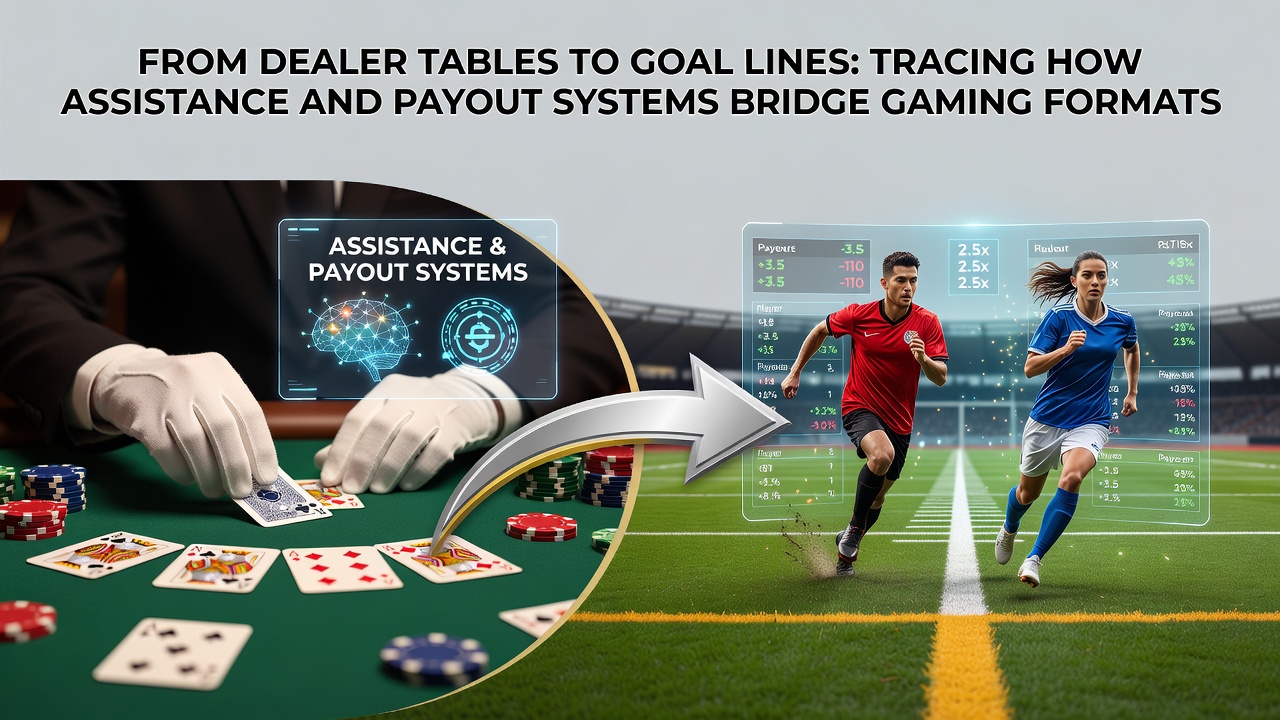
Cross-Format Bonus and Loyalty Structures
Loyalty programs that once awarded points solely for table game play now accumulate value from sports wagers and slot spins under unified tiers. Assistance teams apply these points toward expedited withdrawals or personalized support regardless of origin. Industry reports from the American Gaming Association highlight how such programs encourage players to explore goal line markets after establishing play patterns at dealer tables. The shared currency simplifies accounting for operators and clarifies redemption options for users.
Promotional triggers also span formats. A deposit made to fund table game sessions can unlock sports-specific incentives without requiring a separate transaction. Systems track these linkages automatically, applying bonus terms that reference activity across verticals rather than isolating each category. Data compiled through August 2026 shows continued expansion of these mechanics among operators licensed in multiple jurisdictions.
Regulatory and Technical Alignment Across Regions
Regulators in various markets have updated technical standards to accommodate shared assistance and payout frameworks. Standards issued by the Nevada Gaming Control Board emphasize audit trails that capture activity across casino and sports products within a single player account. Similar requirements appear in Canadian provincial frameworks, where operators must demonstrate that payout reconciliation covers both table game wins and sports outcomes through identical reconciliation processes.
Technical vendors responded by building modular platforms that slot into existing casino management systems while adding sports modules. These solutions preserve legacy dealer table workflows yet route all payout instructions through a central processor. The approach minimizes retraining for support staff, who now handle queries originating from either format using the same interface.
Conclusion
Assistance and payout systems continue to serve as connective tissue between dealer tables, slot machines, live dealer environments, and sports betting markets. Consolidated verification, unified loyalty tracking, and shared banking rails enable operators to present cohesive experiences while meeting distinct regulatory expectations in each vertical. Records maintained through August 2026 confirm that these integrations have become standard practice among multi-format platforms operating under established licensing regimes.