High Stakes Shake-Up: Britain's Casino Scene Evolves Amid New Rules and Digital Boom
Written by Klara Krüger · Apr 1, 2026

UK Gambling Commission Steps Up Oversight: Casinos Face New 10-Day Reporting Rules for Money Services
The Latest Regulatory Move from the UKGC
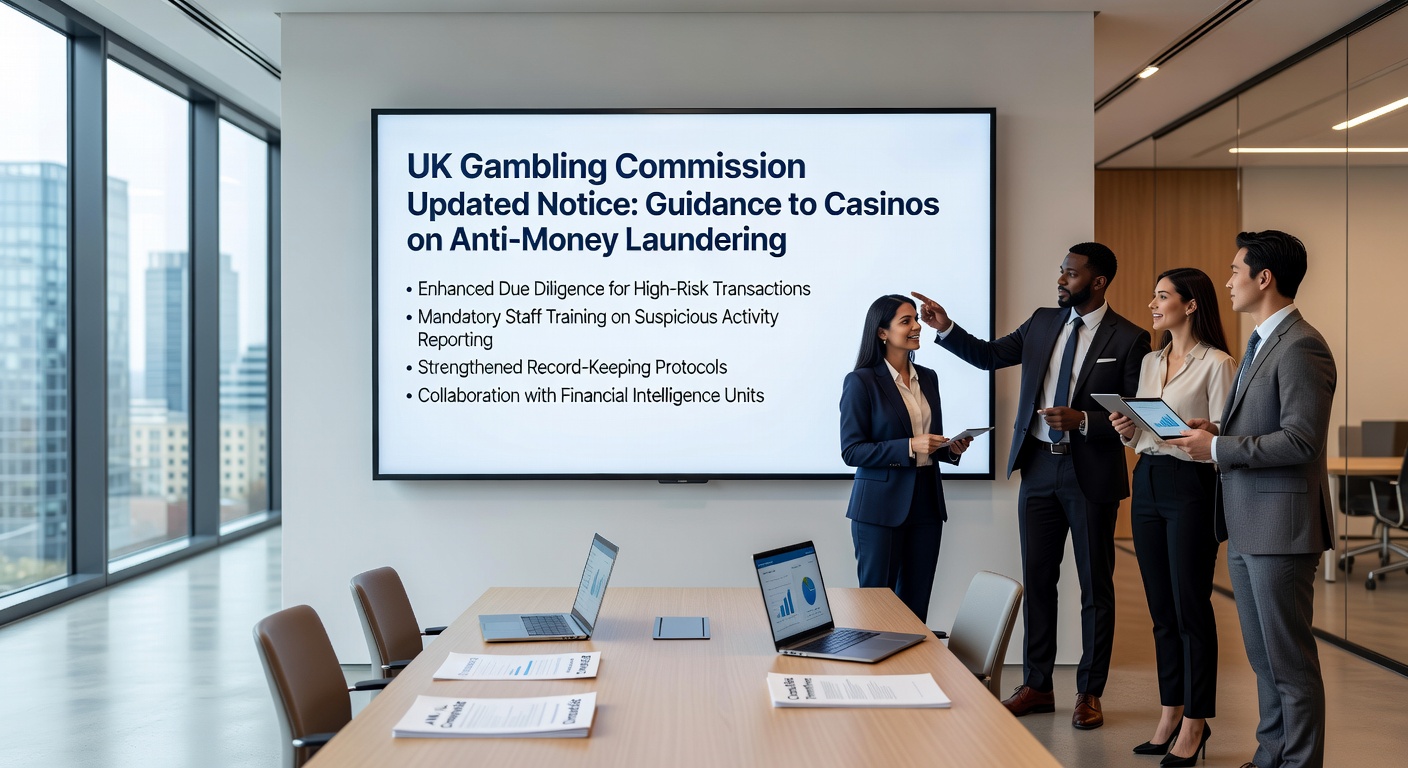
Operators in the UK casino sector now navigate tighter rules around money service business activities, as the UK Gambling Commission (UKGC) rolls out an updated regulatory notice specifically targeting services like currency exchange and money transmission. Casinos offering these must notify the regulator within 10 days of either launching or ceasing such operations, a requirement that demands quick action and precise documentation including full business names, licence numbers, exact start or end dates, and detailed descriptions of the MSB types involved. This step ensures everyone stays on the same page, especially since these businesses also need proper authorisation or registration with the Financial Conduct Authority under money laundering regulations.
What's interesting here is how this update layers onto existing frameworks, building directly on a February 2026 notice that first flagged the need for MSB registration with HMRC; operators who've kept tabs on these shifts know the landscape evolves fast, particularly in April 2026 when this fresh guidance dropped, prompting immediate compliance checks across the board.
Breaking Down Money Service Businesses in Casinos
Casinos have long provided conveniences like currency exchange or money transmission to keep gameplay smooth for international visitors, but these fall under MSB classifications that trigger strict oversight because they can serve as gateways for illicit funds. Regulators zero in on them, given data from past enforcement actions showing how such services sometimes intersect with anti-money laundering vulnerabilities; take one case where experts traced suspicious flows through casino exchanges, underscoring why bodies like the UKGC and FCA collaborate closely.
And yet, not every casino dips into this; those who do, often land-based venues catering to high-rollers, now face the onus of proactive reporting, a move that aligns with broader efforts to fortify the sector against financial crime. The reality is, MSB activities demand FCA green lights under the Money Laundering Regulations, meaning unauthorised operations risk severe penalties, from fines to licence revocations.
Key Requirements Under the Updated Notice
Notification kicks off with a straightforward submission to the UKGC, but details matter: operators supply their complete legal name alongside the Gambling Act licence number, pinpoint the dates when MSB services begin or halt, and outline exactly what services roll out, whether straightforward currency swaps or full money transmission setups. Semicolons separate these obligations in the notice itself, emphasizing that missing any piece could flag non-compliance.
But here's the thing; alongside UKGC alerts, casinos confirm FCA status, a dual-check system that researchers who've studied regulatory convergence describe as a net tightening around potential risks. Deadlines sit at 10 working days, calculated from the service change, giving operators a narrow window to gather paperwork and submit, while the notice clarifies that ongoing MSBs already in play might need retrospective notifications if prior reporting lapsed.
Short and sharp: failure to comply invites investigations, potential enforcement, and that's where the rubber meets the road for business continuity.
Building on February's Foundations
This April 2026 update doesn't stand alone; it references and expands a prior notice from February, where the UKGC first highlighted HMRC registration mandates for MSBs, urging casinos to register as money service businesses if they handle transmissions or exchanges beyond incidental levels. Observers note how that initial alert spurred a wave of registrations, with figures from regulatory filings indicating dozens of operators stepping up, although gaps persisted in timely notifications.
Turns out, the new rules plug those holes by mandating direct UKGC contact, creating a centralized tracking hub that syncs with FCA and HMRC data; experts who've tracked these patterns point out that such integration reduces blind spots, especially in a sector where high-volume cash flows amplify laundering risks. People in compliance roles often discover that cross-referencing these bodies' requirements becomes routine, streamlining audits while keeping operations legitimate.
Now, with April's refinements, casinos recalibrate policies, training staff on MSB boundaries and documentation, since inadvertent expansions into these services could trigger unintended reporting duties.
Practical Steps for Casino Operators
Compliance starts with internal audits: operators scan current offerings, flagging any currency desks or wire services, then verify FCA authorisation status through official channels. Once confirmed, notifications flow to the UKGC via designated portals or emails outlined in the notice, complete with all stipulated details to avoid back-and-forth delays.
And for those winding down MSBs, the same 10-day clock applies, ensuring regulators track exits just as vigilantly; this bidirectional reporting helps map the sector's MSB footprint accurately, which in turn informs future policy tweaks. Those who've implemented similar regimes elsewhere, like in jurisdictions with parallel rules, report that automated alerts and compliance software cut errors dramatically, turning what could be a headache into manageable routine.
It's noteworthy that the notice stresses ongoing dialogue; casinos can query the UKGC for clarifications, fostering a proactive stance amid evolving threats like digital currencies edging into traditional exchanges.
Wider Implications for the Casino Landscape
April 2026 marks a pivot in UK casino regulation, where AML priorities reshape operational norms, particularly for venues blending gaming with financial services. Data from UKGC enforcement logs reveals heightened scrutiny on MSBs since early 2026, with fines totaling millions for prior lapses, a trend this notice aims to curb by front-loading transparency.
But while land-based casinos bear the brunt, online operators watch closely, as hybrid models sometimes incorporate MSB-like features; regulators clarify that the rules target non-remote casinos primarily, yet the principles echo across the industry. Researchers studying gambling finance observe that such measures bolster public trust, with surveys showing players favour venues that prioritise clean operations over unchecked conveniences.
So, as casinos adapt, the sector's resilience shines through, balancing customer services with ironclad compliance in an era where financial integrity stands front and centre.
Conclusion
The UKGC's updated notice on MSB activities delivers clear, actionable mandates that casinos ignore at their peril, mandating 10-day notifications tied to FCA compliance for a sector long intertwined with money flows. Building seamlessly from February's groundwork, these rules fortify anti-money laundering defences, ensuring operators report changes swiftly with precise details on names, licences, dates, and service scopes.
Operators who act decisively navigate this landscape smoothly, while the broader push signals regulators' unwavering commitment to a secure gambling environment; in April 2026 and beyond, that writing's on the wall for anyone handling currency in casinos—stay authorised, report promptly, and keep the focus on fair play.