Mobile Payment Innovations Uniting Slot Reels, Live Dealer Tables, and Sports Betting Rewards
Written by Greta Beck · Jun 1, 2026
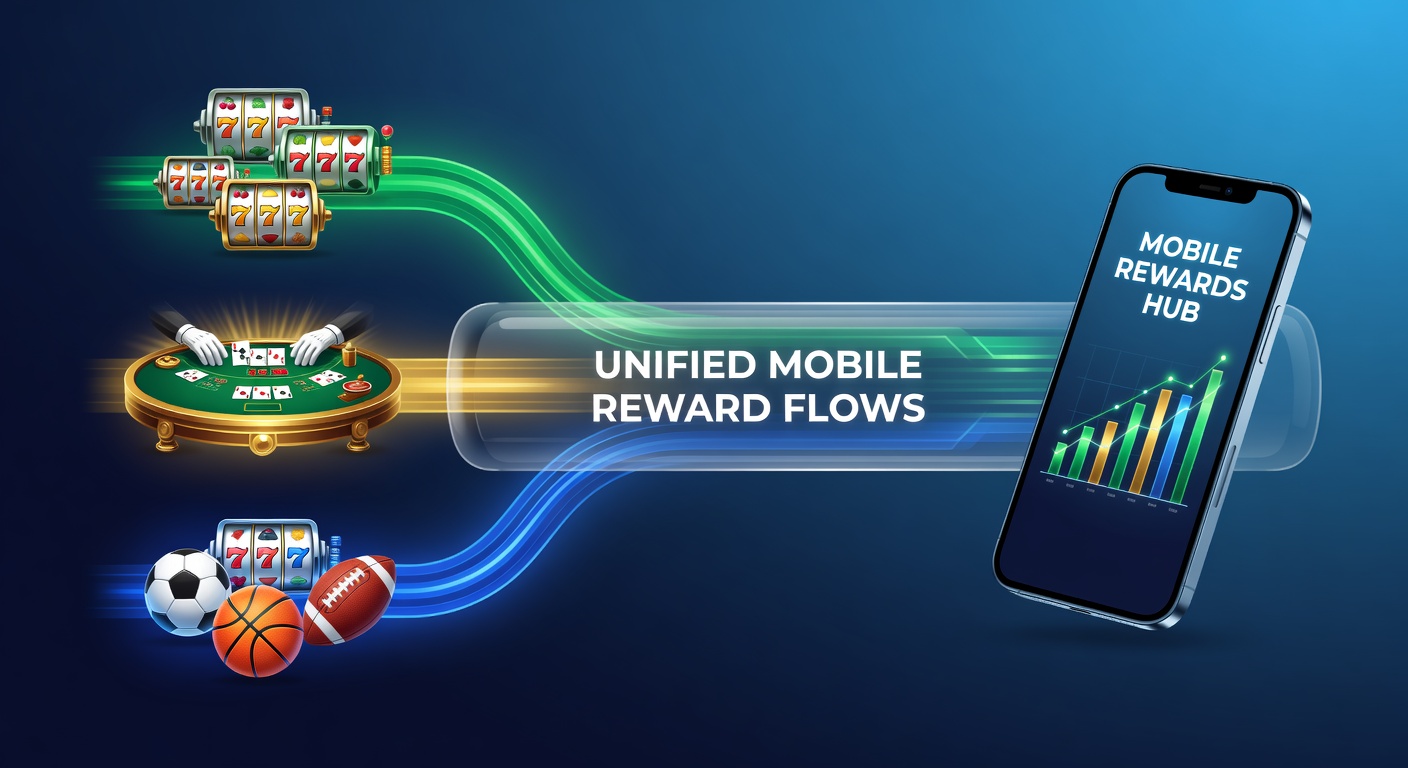
Mobile Payment Innovations Uniting Slot Reels, Live Dealer Tables, and Sports Betting Rewards
Payment systems now link reel spins on slot machines, live dealer table sessions, and athletic wagers through single mobile interfaces that process deposits and distribute rewards without separate logins or account switches. These pathways allow funds to move directly from a user's bank or digital wallet into any of the three categories, then convert activity into unified reward points that apply across platforms. Data from industry reports shows increased adoption of such systems in multiple markets during early 2026, with transaction volumes rising steadily month over month.
Core Mechanics of Integrated Payment Channels
Operators build these channels around API connections that synchronize balance updates across game types in real time, so a deposit made for sports betting automatically appears in the slot or table section without additional transfers. Users select their preferred game category from a central menu, complete the payment once, and receive proportional bonuses that activate immediately whether they choose reels, cards, or live odds. Studies conducted by research institutions indicate this structure reduces processing steps by up to 40 percent compared with older segregated systems.
Security protocols rely on tokenization and multi-factor authentication that travel with the transaction regardless of destination, which satisfies requirements from regulatory bodies such as those overseeing gaming in Nevada and several Australian states. When a player places an athletic wager after finishing a dealer table round, the same tokenized session handles both without requiring fresh verification, and reward credits post to a shared ledger visible in the mobile app.
Examples from Major Operators in June 2026
One major platform launched a unified flow in June 2026 that lets users fund reel spins and live tables through the same portal used for sports markets, with loyalty points accumulating from all three activities into a single tier system. Observers note that average session lengths increased because players no longer needed to exit one environment to fund another. Figures released by the American Gaming Association highlight similar patterns among operators who adopted comparable payment bridges, showing higher retention rates in the months following rollout.
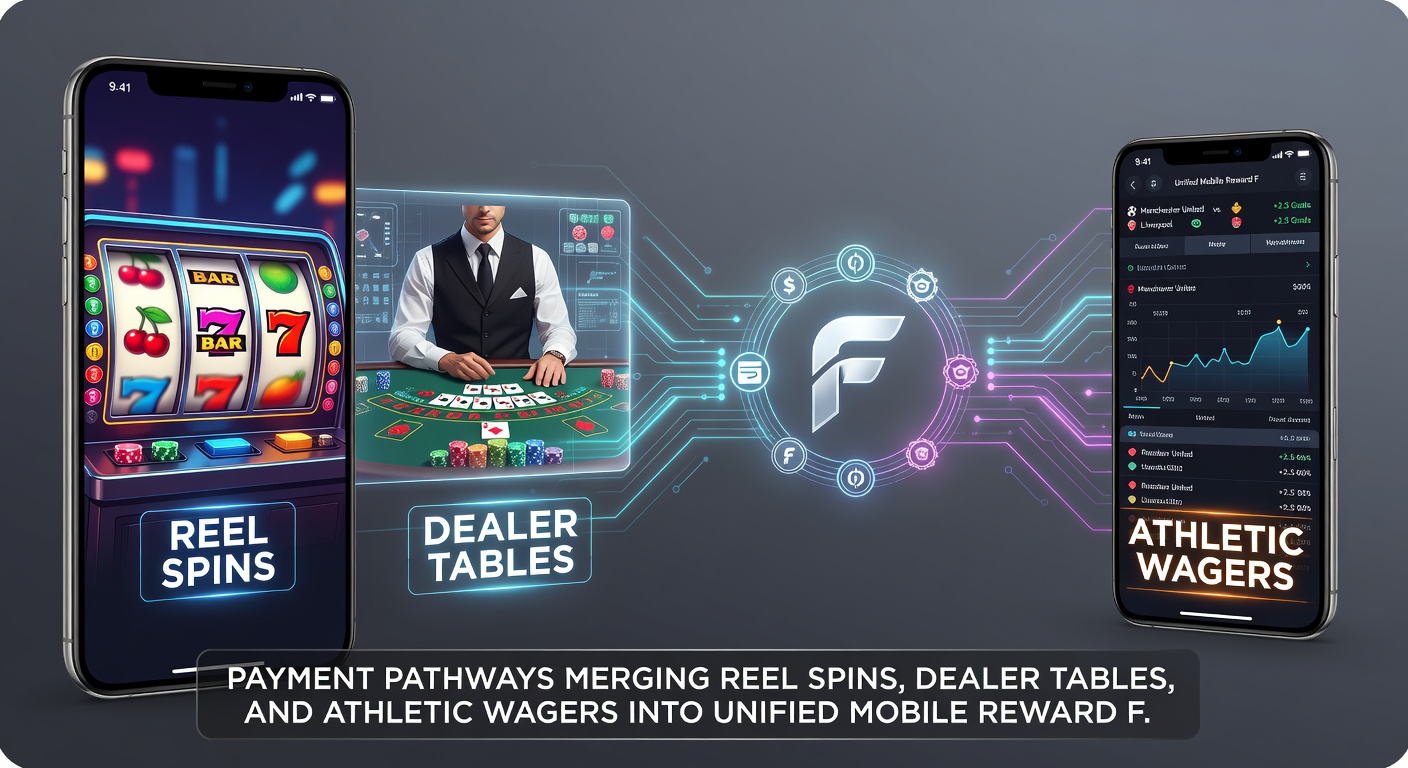
Another case involved a European operator that integrated regional payment providers into its mobile app, allowing seamless movement between athletic wagers and dealer tables while reward multipliers applied uniformly. Those who studied the implementation reported that the system flagged bonus eligibility automatically, eliminating manual claims that previously interrupted play. The approach mirrors findings from academic papers on digital transaction efficiency published by university research teams focused on consumer technology adoption.
Impact on User Behavior and Reward Distribution
Players encounter fewer friction points when moving between game types because the payment layer treats each activity as part of one ecosystem rather than isolated modules. Data indicates reward redemption rates climb when points earned from reel spins convert directly into credits usable on live tables or sports markets. Industry organizations tracking mobile gaming trends report that operators employing these pathways see more cross-category participation within single sessions, with users sampling table games after starting with slots or placing sports bets after completing dealer rounds.
Bonus structures tied to these flows often scale with total activity volume across all three areas, creating incentives for continued engagement without forcing players to maintain separate balances. Regulatory frameworks in Canada and parts of Asia require clear disclosure of how funds allocate among categories, which developers address through transparent on-screen breakdowns updated after every transaction.
Technical Requirements and Future Developments
Backend systems must handle simultaneous connections to multiple game servers while maintaining consistent reward ledgers, a challenge met through cloud-based synchronization tools that update every few seconds. Developers incorporate machine learning elements to predict peak transaction times and pre-allocate processing capacity, reducing latency during high-traffic periods such as major sports events. Reports from trade groups suggest continued investment in these infrastructures through the remainder of 2026 as demand for unified mobile experiences grows.
Additional features under development include voice-activated transfers and biometric confirmations that further streamline movement between reel spins, dealer tables, and athletic wagers. Such enhancements build on existing payment pathways rather than replacing them, preserving compatibility with current regulatory standards across jurisdictions.
Conclusion
Payment pathways that merge reel spins, dealer tables, and athletic wagers deliver measurable operational efficiencies and expanded reward access within mobile environments. Continued refinement of these systems, supported by data from regulatory and academic sources, points toward broader implementation across global markets as technology and user expectations evolve in tandem.