Mobile Payment Protocols Bridging Jackpot Accumulations With Promotional Sports Outcomes in Digital Gaming Environments
Written by Carlo Beck · May 23, 2026

Mobile Payment Protocols Bridging Jackpot Accumulations With Promotional Sports Outcomes in Digital Gaming Environments
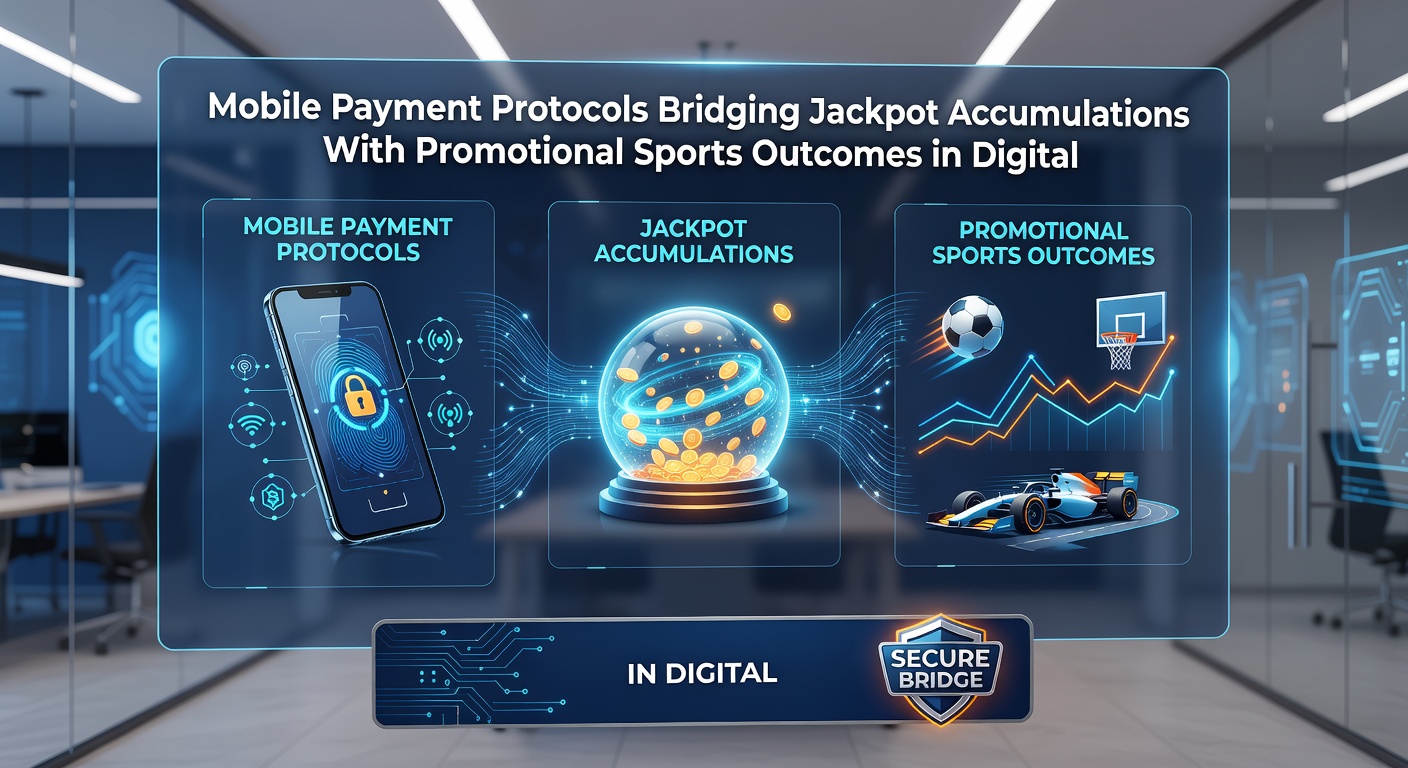
Digital gaming platforms now rely on mobile payment protocols that connect progressive jackpot pools directly to promotional outcomes from sports betting events, creating synchronized reward systems across different game types. These protocols use standardized APIs and encrypted transaction layers to transfer funds and update balances without interrupting play sessions, allowing a single deposit to influence both casino jackpot meters and sports-based bonus triggers simultaneously.
Core Mechanics of Integration Protocols
Payment gateways process micro-transactions in real time while maintaining separate ledgers for jackpot contributions and sports promotion eligibility, which means a user funding an account through a mobile wallet can see immediate allocation to shared prize pools. Systems like these employ tokenization methods that assign unique identifiers to each transaction, enabling platforms to track how sports event results feed into casino bonus structures without requiring separate logins or additional verification steps.
Technical Standards in Use
Protocols built on ISO 20022 messaging formats handle the data exchange between sportsbook outcome servers and casino jackpot engines, while end-to-end encryption protects user credentials during cross-vertical transfers. Observers note that these standards reduce latency to under three seconds for most updates, allowing jackpot accumulations to reflect sports results almost instantly after events conclude. Developers have implemented webhook triggers that notify both systems when a promotional condition, such as a specific team performance threshold, gets met so the corresponding jackpot contribution activates without manual intervention.
Researchers at academic institutions studying financial technology in entertainment sectors have documented how these bridges operate across multiple jurisdictions, with particular attention to compliance layers that separate gambling categories while permitting unified payment flows. Data from industry reports indicate that transaction volumes involving linked promotions rose steadily through early 2026, driven by operators adopting unified mobile SDKs that embed both payment and outcome verification functions.
Real-Time Synchronization Examples
One documented implementation in North American markets uses a centralized clearinghouse to match sports betting payouts with casino jackpot entries, so a successful wager on a live match can increment a shared progressive meter visible in slot interfaces. Australian regulatory filings from May 2026 show similar frameworks under review, where mobile payment rails incorporate geofencing to ensure jurisdictional rules apply correctly to each component of the combined reward structure. Those frameworks rely on timestamped event data pulled from official sports feeds, which then calculate bonus multipliers applied to jackpot contributions within the same session.
Canadian provincial operators have tested parallel systems that route deposits through regulated payment processors before splitting allocations between sports promotion pools and traditional jackpot reserves. Figures from the American Gaming Association reveal that such integrations account for measurable portions of mobile deposit activity in states where both verticals operate under single licenses. The approach avoids duplicate compliance checks by embedding outcome verification inside the payment authorization step itself.
Security and Compliance Layers
Multi-factor authentication remains standard across these protocols, yet the addition of outcome-linked triggers requires extra validation steps that confirm sports results against independent data sources before releasing funds. European operators following directives from the Malta Gaming Authority have incorporated similar checks that log each cross-vertical transfer for audit purposes, maintaining separate records for jackpot contributions versus sports promotion redemptions. This separation satisfies regulatory requirements while still allowing users to experience seamless balance updates on their devices.
Payment service providers continue expanding support for these bridged systems through updated APIs that accept sports event metadata alongside standard transaction details. One study published by a European research consortium in 2025 highlighted how latency reductions in mobile networks enabled the practical deployment of these features at scale, with operators reporting fewer abandoned sessions once synchronization became reliable.
Future Protocol Developments
Updates scheduled for rollout after May 2026 focus on incorporating blockchain-based verification for sports outcome data, which would add an immutable record layer to the existing payment bridges. Industry groups in Asia-Pacific regions have begun pilot programs testing these additions, aiming to further reduce disputes over promotional eligibility. The same programs examine how quantum-resistant encryption might protect the growing volume of linked transactions without increasing processing times.
Operators in multiple regions already publish technical specifications that detail how mobile payment protocols interface with both jackpot engines and sports data providers, giving third-party developers clear guidelines for building compatible applications. These specifications typically include error-handling procedures that roll back incomplete transfers if sports outcome feeds experience delays, preserving jackpot integrity during network interruptions.
Conclusion
Mobile payment protocols that connect jackpot accumulations with sports promotional outcomes continue evolving through standardized technical frameworks and regulatory adaptations across different markets. The documented implementations show consistent patterns of real-time data exchange, security layering, and compliance separation that support unified user experiences while meeting jurisdictional requirements. As network capabilities advance and additional verification methods integrate, the underlying payment infrastructure is positioned to handle increased volumes of cross-vertical activity in digital gaming environments.