Transaction Networks Fueling Stacked Incentives in Unified Gaming Ecosystems
Written by Harper Wagner · Jun 22, 2026
Transaction Networks Fueling Stacked Incentives in Unified Gaming Ecosystems
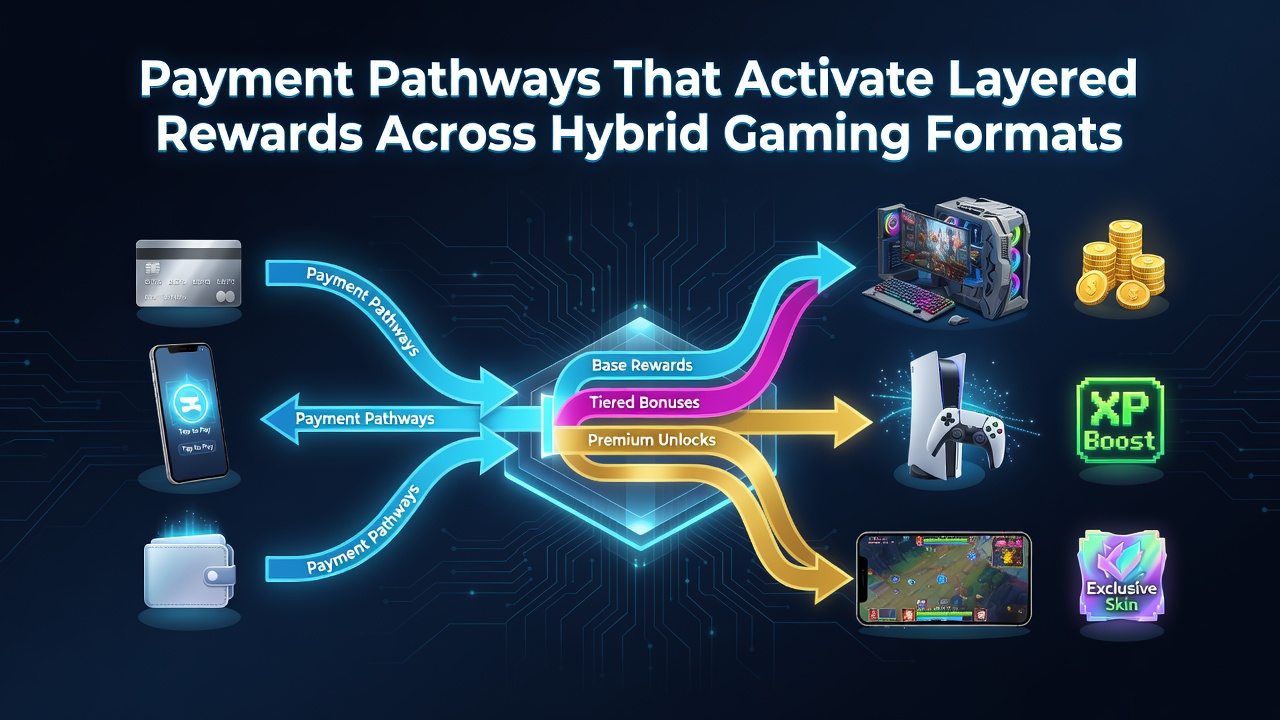
Payment systems now serve as the backbone for reward structures that span slots, table games, live dealer sessions, and sports betting within single platforms, and operators continue to refine these routes to trigger successive bonus layers based on deposit size, frequency, and cross-format activity. Data from industry reports indicates that integrated transaction pathways allow users to move funds seamlessly while accumulating points that convert into rewards applicable across all game types rather than remaining isolated to one category.
Mechanics of Cross-Format Payment Routes
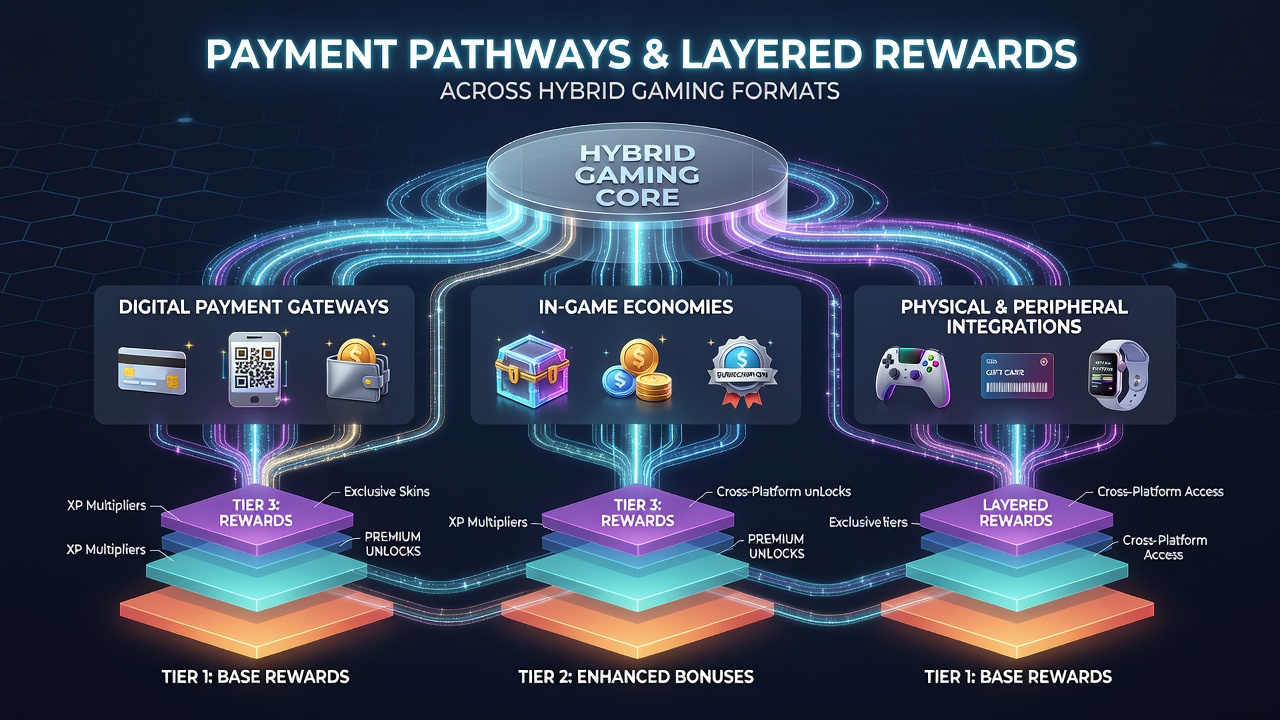
Modern platforms link deposit methods directly to centralized loyalty engines so that a single transaction can initiate multiple reward tiers simultaneously, and this design means a deposit made for sports betting might automatically unlock slot multipliers while also contributing toward live dealer cashback thresholds. Researchers at academic institutions have documented how these systems rely on API connections between payment processors and game servers to track activity in real time across hybrid environments.
One study released by a European research consortium found that platforms using unified transaction ledgers recorded higher rates of multi-format participation compared with segmented systems, because users see rewards accumulate without needing separate deposits for each game type. Payment pathways in these setups often incorporate instant verification steps that reduce processing delays to seconds, allowing the layered incentives to activate before the first spin or wager occurs.
Layered Reward Structures in Practice
Operators design incentive stacks where initial deposits trigger base bonuses, subsequent activity across formats adds percentage uplifts, and milestone achievements release additional free rounds or boosted odds, and all of these layers depend on the same payment record remaining visible to every game engine. Figures released in June 2026 by North American gaming associations showed that platforms employing these stacked systems experienced measurable increases in average session length when users engaged with at least three different formats after a single deposit.
Take one operator in the Asia-Pacific region that integrated wallet technology allowing sports bet winnings to transfer instantly into slot accounts while preserving the original deposit's reward eligibility, and observers noted that this approach reduced friction that previously caused players to abandon layered promotions midway through a session. The same pathways also support progressive jackpot contributions from every format, so a table game bet can advance a shared prize pool that slots and live dealers draw from during the same cycle.
Regulatory and Technical Considerations
Government agencies in multiple jurisdictions require that payment pathways maintain clear audit trails so regulators can verify how deposits translate into rewards without creating unfair advantages, and this has led developers to embed compliance checks directly into the transaction flow. According to documentation from the Australian Communications and Media Authority, operators must demonstrate that layered incentives do not disproportionately favor one gaming format over others when funds move between them.
Technical standards published by the Gaming Standards Association outline protocols for synchronizing payment data with reward engines across hybrid platforms, and these standards emphasize encryption methods that protect transaction details while still permitting real-time reward calculations. Platforms that adopted these protocols early reported fewer compliance incidents during audits because the payment records automatically aligned with each activated bonus layer.
Examples from Operational Platforms
Platforms operating in Canada have implemented deposit routes that convert sports betting stakes into loyalty points redeemable for live dealer credits, and one documented case showed users completing a full reward cycle from initial deposit through jackpot activation within a single evening across three formats. Industry organizations tracking these developments note that such pathways encourage broader platform usage without requiring additional deposits, because the original transaction remains the anchor for all subsequent layers.
University-led analyses of transaction logs from several markets revealed that users who activated at least two reward layers after a deposit tended to maintain balances longer than those limited to single-format bonuses, and the data points to payment visibility as the key factor enabling this behavior. These findings align with reports from trade groups monitoring digital gaming trends in South America, where similar systems have expanded rapidly since 2024.
Future Developments in Payment Integration
Emerging wallet technologies now allow partial deposits to fund multiple formats at once while preserving the full reward eligibility of the original amount, and developers continue testing features that let users allocate portions of a single transfer toward specific bonus pools in advance. Research institutions studying these trends project that by late 2026 more platforms will embed predictive algorithms into payment pathways to suggest optimal allocation across formats based on past activity patterns.
Conclusion
Payment pathways that connect hybrid gaming formats have become central to how layered rewards function, and the technical and regulatory frameworks supporting them continue to evolve in response to operational data from diverse markets. As transaction systems grow more sophisticated, the ability to activate stacked incentives across slots, tables, live dealers, and sports betting rests on maintaining clear, auditable links between each deposit and every subsequent reward layer.