UK DCMS Proposes Sharp Gambling Commission Fee Hikes: 20-30% Uplifts Target Casino Operators Amid Rising Regulatory Demands
Written by Klara Krüger · Mar 28, 2026

UK DCMS Proposes Sharp Gambling Commission Fee Hikes: 20-30% Uplifts Target Casino Operators Amid Rising Regulatory Demands
The Consultation Annexes Drop: What's Changing for Licence Fees
The UK Department for Culture, Media & Sport (DCMS) recently published detailed annexes to its consultation on proposed changes to Gambling Commission fees, laying out significant uplifts for various operators, including remote and non-remote casinos; these hikes, pegged at 20% or 30% depending on the scenario, aim to bolster the regulator's funding as demands for consumer protection and compliance intensify.
Operators now face a clearer picture of the numbers, with fees structured around Gross Gambling Yield (GGY) bands that scale according to business size, while additional flat fees apply to combined licences; for instance, remote casino annual fees kick off at around £7,280 for the lowest GGY tiers under the 30% uplift scenario, and those climb steadily through higher bands.
But here's the thing: these aren't blanket increases across the board, since the Gambling Commission tailors them to reflect operational scale and type, ensuring larger players shoulder more of the load; non-remote casinos see similar banding, where fees for physical venues adjust based on their GGY contributions, blending percentage uplifts with fixed components.
Breaking Down the Fee Structures: Remote Casinos Take Center Stage
Remote casino operators, fueling much of the online gambling surge, encounter some of the most scrutinized changes, as annexes detail annual fees starting low for modest GGY but escalating quickly; under the 20% uplift, entry-level bands hover around £6,067, whereas the 30% version pushes that to £7,280, with mid-tier bands like those up to £550,000 GGY landing at £21,383 or £25,660 respectively.
What's interesting here involves the progression: higher GGY brackets, say from £8m to £25m, jump to £109,375 under 20% or £131,250 at 30%, reflecting how the Commission plans to capture revenue from bigger digital platforms; and for the top tier above £500m GGY, fees balloon to £1,302,083 or £1,562,500, underscoring the scale of funding needed for oversight in high-volume sectors.
Combined licences add another layer, since operators holding multiple permissions pay flat fees on top, ranging from £4,875 to £6,500 depending on the uplift scenario; this setup, observers note, prevents overlap while ensuring comprehensive coverage for businesses blending remote casinos with sportsbooks or other activities.
- Lowest GGY band (< £100k): £6,067 (20%) / £7,280 (30%)
- Mid-range (£550k - £1.7m): £36,667 (20%) / £43,999 (30%)
- High-end (> £500m): £1,302,083 (20%) / £1,562,500 (30%)
Those figures, pulled straight from the DCMS annexes, highlight the tiered approach, where smaller outfits breathe a bit easier compared to giants dominating the remote market.
Non-Remote Casinos and the Broader Operator Landscape
Shifting to land-based operations, non-remote casino fees follow a parallel structure, banded by GGY yet adapted for physical venues where costs like premises and staffing factor in; entry fees start at £5,104 for 20% uplift on GGY under £100k, rising to £6,125 at 30%, while upper bands for GGY over £25m hit £218,750 or £261,250.
Experts point out that these adjustments align with the industry's brick-and-mortar realities, since non-remote operators often juggle higher fixed expenses alongside regulatory scrutiny; flat fees for combined non-remote setups mirror remote ones at £4,875-£6,500, creating consistency across licence types.
And for other sectors? The annexes extend uplifts to remote betting, bingo, and more, but casinos stand out due to their GGY heft; take remote general betting, where fees band from £4,359 to over £900k, or non-remote FECs (family entertainment centres) scaling modestly; yet the casino focus grabs attention, given their role in both online and high-street gambling.
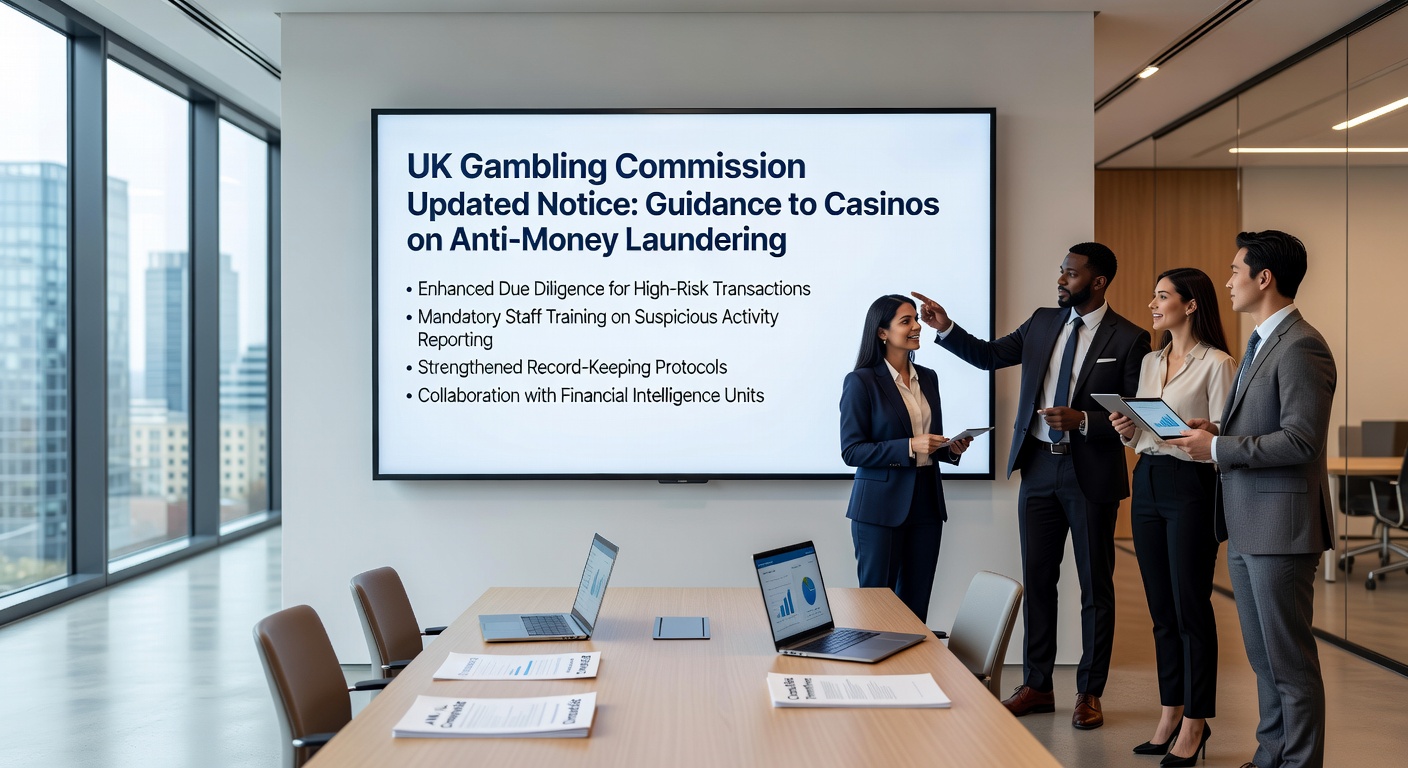
Turns out, the two scenarios—20% as a baseline, 30% for fuller recovery—stem from cost projections, with data indicating the Commission requires stable revenue to handle expanding duties like affordability checks and anti-money laundering enforcement.
Why Now? Sustainable Funding Meets Heightened Demands
The push for these increases ties directly to the Gambling Commission's evolving mandate, as consumer protection priorities ramp up amid industry growth; figures reveal rising complaint volumes and compliance probes, straining resources that outdated fees no longer cover adequately.
Since the regulator oversees everything from player safeguards to financial crime prevention, annexes emphasize how uplifts ensure self-sufficiency without taxpayer burden; for context, recent years saw GGY climb across sectors, with casinos contributing substantially, yet fees lagged behind inflation and workload spikes.
People in the know highlight that March 2026 marks a pivotal timeline, since consultations like this often feed into statutory instruments effective then, aligning with broader regulatory reforms; operators, meanwhile, gear up for feedback periods, where industry voices shape final numbers.
That's where the rubber meets the road: sustainable funding means more boots on the ground for audits, tech upgrades for monitoring, and faster resolution of disputes, all while the sector adapts to fees that scale with success.
| GGY Band | 20% Uplift | 30% Uplift |
|---|---|---|
| < £100k | £6,067 | £7,280 |
| £1.7m - £8m | £85,208 | £102,250 |
| > £500m | £1,302,083 | £1,562,500 |
Such tables from the annexes make the math straightforward, helping stakeholders model impacts on their bottom lines.
Industry Ripples: How Operators and Regulators Align
Smaller casino operators, particularly those in lower GGY bands, find the uplifts manageable since percentages apply progressively, but larger firms brace for six-figure jumps that could squeeze margins; combined licence holders benefit from flat add-ons that avoid double-dipping, fostering efficiency.
Observers note parallels to past adjustments, where phased implementations eased transitions, although specifics await consultation outcomes; the DCMS frames this as essential modernization, given data showing regulatory costs outpacing fee income by wide margins.
Now, with annexes public, trade bodies and operators dissect every band, submitting responses that could tweak percentages or thresholds; it's noteworthy that casinos, both remote and non-remote, bear prominent hikes due to their GGY dominance and inherent risks like addiction safeguards.
One case in point involves high-street casinos navigating post-pandemic recoveries, where GGY volatility meets fixed venue costs, making fee predictability crucial; remote counterparts, thriving on mobile tech, absorb uplifts through scale, yet all eyes stay on consumer protection gains.
Looking Ahead: Consultation Path and Timeline
As the consultation unfolds, stakeholders weigh in on scenarios, with potential finalization eyeing early 2026 implementation; March brings anticipation, since aligned reforms—like enhanced duty rules—could compound effects, although annexes focus squarely on fees.
The reality is straightforward: these proposals secure the Gambling Commission's future, matching revenue to responsibilities in a landscape where online casinos boom and protections tighten; operators adapt, bands ensure fairness, and the industry moves forward funded by its own yields.