UK Gambling Commission Drops February 2026 Stats Bombshell: Slot Machines Hit £680M Yield While Participation Holds Steady
Written by Greta Beck · Mar 12, 2026

UK Gambling Commission Drops February 2026 Stats Bombshell: Slot Machines Hit £680M Yield While Participation Holds Steady
The Latest Data Release from the UK Gambling Commission
On February 26, 2026, the UK Gambling Commission unveiled two pivotal sets of official statistics, shedding light on the gambling landscape across Britain during the latter half of 2025; these include the quarterly industry statistics covering July to September 2025 with detailed Gross Gambling Yield (GGY) figures, and Wave 3 of the Gambling Survey for Great Britain (GSGB) spanning July to October 2025, which delves into participation rates, motivations, and attitudes toward gambling. Observers note how this dual release, timed just as March 2026 kicks off with industry stakeholders poring over the numbers for quarterly planning, provides a robust foundation for understanding shifts in player behavior alongside financial metrics from operators.
What's interesting here is the focus on slots and fruit machines, where data reveals specific patterns; for instance, GGY from machines in gambling premises clocked in at £680 million for that July-September quarter, a figure that underscores the sector's financial heft even as participation metrics paint a picture of stability. And while experts triangulate these datasets—cross-referencing industry revenues with survey responses—they uncover trends like steady player numbers despite yield upticks, suggesting operators squeezed more value from existing engagement rather than relying on volume growth.
Breaking Down the Quarterly Industry Statistics
The industry statistics quarterly report for financial year April 2025 to March 2026 Q2 captures GGY across various segments, but slots in physical venues stand out with that £680 million haul from premises-based machines; this encompasses arcades, casinos, and betting shops, where the yield—defined as stakes minus winnings returned to players—highlights operational profitability amid regulatory scrutiny. Data indicates this amount reflects a continuation of pre-existing trajectories, with year-over-year comparisons showing resilience in land-based slots even as online channels grab headlines elsewhere.
Take one analyst who pored over the breakdowns; they found that machine GGY contributed significantly to the overall remote and non-remote totals, yet the report emphasizes how premises-based play remains a cornerstone, particularly for fruit and slot machines that draw casual punters. But here's the thing: while total GGY for all gambling activities climbed in the quarter, the slots segment's performance prompts questions about underlying drivers like stake sizes or session lengths, factors that surveys in the companion release help illuminate without delving into speculation.
Short and sweet: these figures arrived right when March 2026 budgeting cycles ramp up, giving operators fresh ammo for compliance reporting and strategic tweaks.
Insights from GSGB Wave 3: Participation and Slots Spotlight
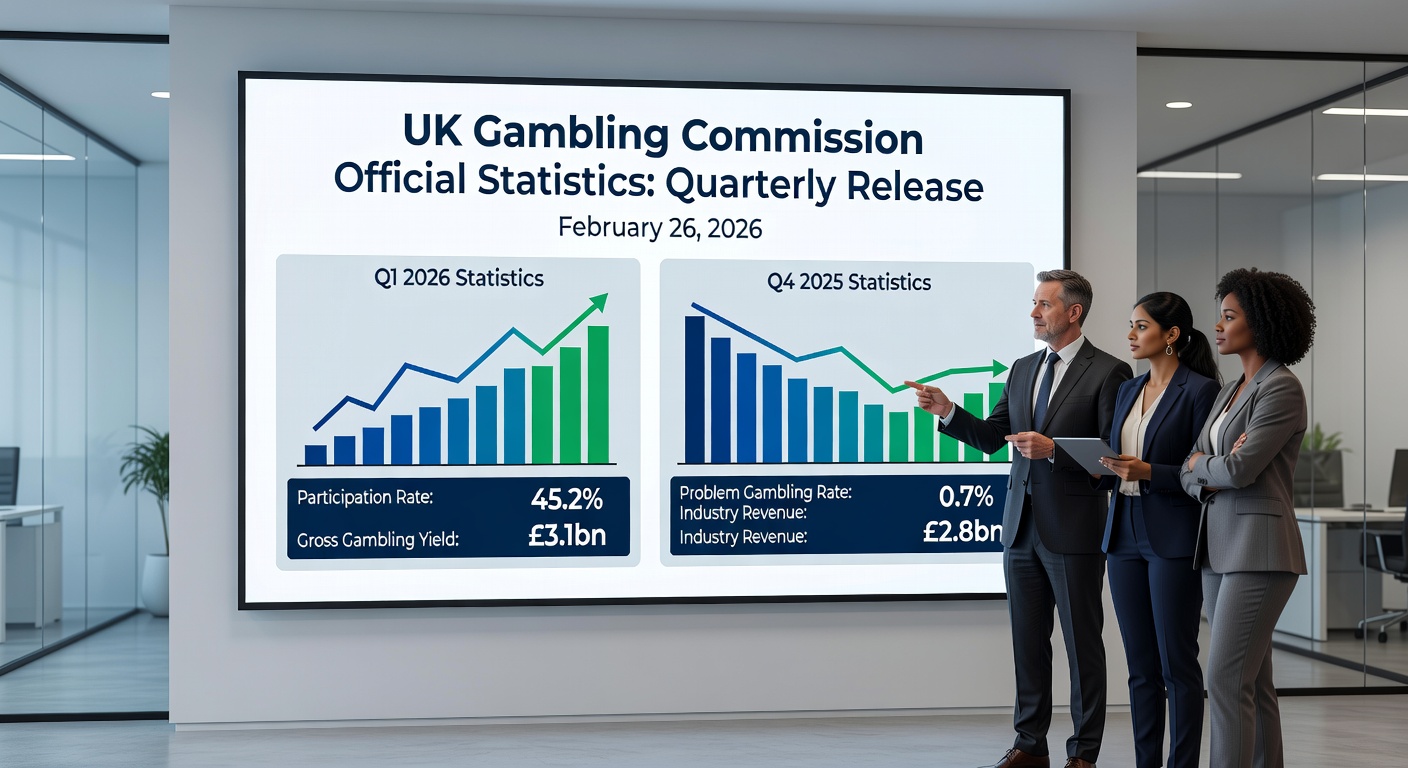
Wave 3 of the GSGB, conducted over July to October 2025, estimates that around 1.9 million adults engaged with fruit and slot machines in the past four weeks, a participation rate that holds remarkably steady when stacked against prior waves; researchers highlight how 44% of these players accessed machines in bars, clubs, and pubs, underscoring the social fabric of this gambling form where a quick spin accompanies a pint or evening out. Figures reveal broader attitudes too, with the survey capturing reasons for play—from entertainment to potential wins—and noting minimal shifts in problem gambling indicators during this period.
Those who've studied the GSGB series point out its methodological rigor, blending self-reported data from thousands of respondents with weighted estimates to mirror Great Britain's adult population; for slots specifically, the 1.9 million figure translates to roughly 4% past-week participation, stable amid economic headwinds that might otherwise deter discretionary spending. And since bars and pubs dominate at 44%, experts observe a venue preference that ties back to accessibility, with players favoring familiar haunts over distant casinos or online portals.
Turns out, this wave aligns neatly with the quarterly timeline, allowing direct comparisons; participation didn't budge much, yet GGY rose, which triangulation efforts flag as noteworthy because it hints at intensified play per person—longer sessions, higher bets, or better machine configurations—without inflating headcounts.
Triangulating the Data: Stable Play Meets Rising Yields
When observers layer the industry stats atop GSGB findings, patterns emerge clearly; £680 million in premises machine GGY pairs with 1.9 million recent slot players, suggesting each active adult generated substantial yield on average, a dynamic that holds steady participation rates amid revenue growth and prompts deeper dives into per-player metrics. Data shows no surge in new entrants—those four-week figures mirror Wave 2 trends—yet the financial uptick indicates operators optimized existing traffic, perhaps through updated game libraries or promotional hooks in pubs and clubs.
One case in point comes from cross-referencing venue data: with 44% pub-based play, the GSGB underscores how these locales, often hosting lower-stake machines, still funneled big yields, while arcades and bingo halls filled other slots in the participation pie. It's not rocket science; stable headcounts plus higher GGY equals efficiency, a trend that's the writing on the wall for regulators eyeing affordability checks in March 2026 deliberations.
But what's significant is the survey's attitude snapshots—players cite fun (top reason) over chasing losses, with low harm reports—and how these temper the yield story, painting slots as recreational rather than risky for most. Researchers who've triangulated past releases note this stability bucks digital migration narratives, keeping land-based slots relevant; and as March unfolds with stakeholder webinars, these datasets fuel debates on balancing growth with player protection.
Yet, here's where it gets interesting: GSGB also flags demographic nuances, like higher male participation in slots or age clusters favoring pubs, details that enrich the £680 million context without altering the core stability narrative.
Broader Context and Ongoing Monitoring
The February 26 drop positions these stats as a benchmark for the fiscal year, especially with Q3 data looming; industry watchers use the GGY-participation disconnect to benchmark against online slots, where GSGB notes separate but complementary trends, though premises machines steal this story's thunder. People often find that such releases spark venue audits—pubs tweaking machine placements, casinos forecasting yields—while the Commission's news updates tease future waves for continuity.
Evidence suggests minimal volatility in slots attitudes, with motivations steady at entertainment levels above 60% in surveys; this resilience shines as economic data from late 2025 shows consumer caution elsewhere, yet gamblers stuck to routines. Observers track how 1.9 million players, skewed toward social settings, sustain the sector; and with March 2026 bringing license renewals, these figures arm stakeholders with evidence for compliance narratives.
So, while yields climb, participation's flatline offers reassurance—no explosion in volume, just refined engagement—that keeps the ball in regulators' court for nuanced policies.
Conclusion
These February 2026 publications from the UK Gambling Commission crystallize late 2025 trends in slots and fruit machines, where £680 million GGY from premises contrasts with steady 1.9 million adult players over four weeks, 44% in pubs and clubs; triangulation reveals a landscape of stable participation fueling revenue growth, a pattern experts monitor closely into March and beyond. Data underscores social play's endurance, equipping the industry with actionable insights amid evolving oversight, ensuring the sector navigates forward with clarity on yields, behaviors, and attitudes that define its pulse.