UK Gambling Regulations Tighten: Smaller Casino Operators Face Squeeze from 2026 Tax Hike and Compliance Burdens
Written by Greta Beck · Mar 11, 2026

UK Gambling Regulations Tighten: Smaller Casino Operators Face Squeeze from 2026 Tax Hike and Compliance Burdens
The Upcoming Shake-Up in UK Gambling Duties
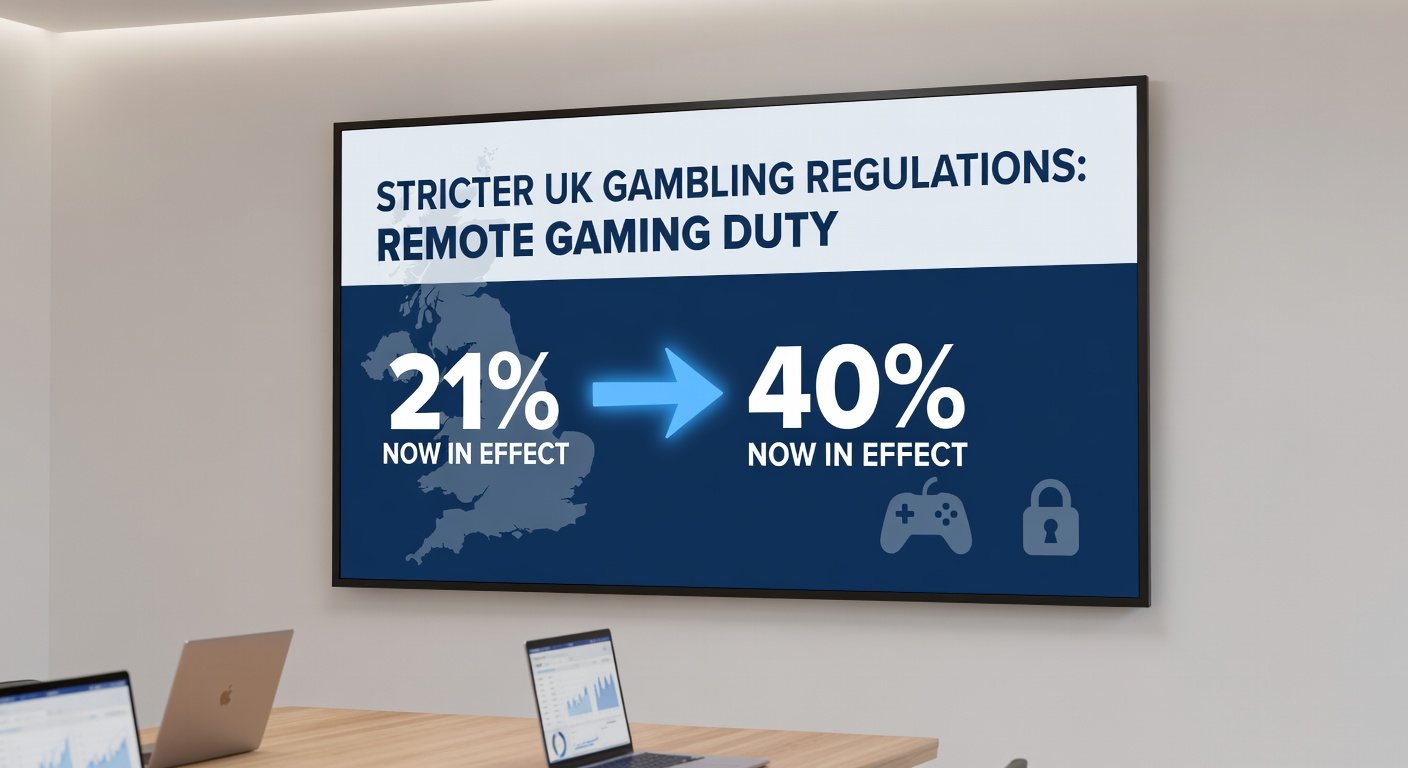
Stricter regulations in the UK gambling sector roll out with significant changes, including a jump in the Remote Gaming Duty from 21% to 40% set for April 2026; this move, detailed in official government announcements like Changes to gambling duties, aims to bolster player protection while reshaping the industry landscape. Smaller casino operators, already navigating tight margins, confront these hikes alongside escalated compliance costs for affordability checks, marketing curbs, and anti-money laundering protocols; the UK Gambling Commission enforces these measures, which demand robust systems to verify player finances and prevent excessive gambling.
What's interesting here is how the tax increase compounds existing pressures; operators must now invest heavily in technology for real-time affordability assessments, where players submit income details before higher stakes, and this setup hits independents hardest since they lack the scaled infrastructure of giants like Entain or Flutter Entertainment. Data from industry observers, such as reports in Pound Sterling Live, reveals that compliance alone could add millions in upfront costs for smaller firms, pushing many toward the brink even before the duty fully kicks in.
Breaking Down the Compliance Costs Hitting Small Operators
Affordability checks form the core of these reforms; regulators require operators to flag risks based on deposit patterns and spending habits, often mandating third-party data integrations that cost smaller casinos thousands monthly, whereas larger players spread such expenses across vast user bases. Marketing restrictions compound this, banning bonuses for high-risk players and limiting ads to safer demographics, which shrinks customer acquisition pipelines for those without big ad budgets; anti-money laundering measures demand enhanced due diligence, like source-of-funds verification, turning routine transactions into paperwork marathons.
Take one mid-sized online casino operator in the Midlands, where experts note setup for these checks devoured 15% of annual IT budgets last year alone, according to sector analyses; without the R&D teams or lobbying power of majors, these firms scramble to retrofit legacy systems, often outsourcing to pricey consultants. And here's the thing: while the rules intend to shield vulnerable players, figures indicate smaller operators absorb 2-3 times the relative cost per customer compared to conglomerates, creating an uneven playing field that's already sparked whispers of early exits.
Observers point out that March 2026 brings preliminary enforcement phases for some checks, ramping up scrutiny before the full April duty lands; this staggered rollout gives a brief window, but many independents report delays in gaining Commission approval for their compliance tech, further eroding cash flow.
Market Consolidation Looms as Small Casinos Eye Closures
Potential closures ripple through the sector; industry data shows over 200 smaller online casino licenses at risk, with consolidation favoring behemoths who snap up distressed assets at bargain rates, much like the wave that followed 2019's license fee hikes. Those who've studied the landscape, including analysts at trade bodies, predict a 20-30% reduction in independent operators by 2027, as the 40% duty slices deeper into profits already thinned by compliance.
But turns out, it's not just taxes; marketing bans hit where it hurts most, with smaller sites relying on affiliate deals and welcome offers to compete, now curtailed under the new codes that prioritize safer promotions. One case highlights this: a Scottish online slots provider shuttered operations last quarter, citing unaffordable AML upgrades alongside stalled player onboarding, a pattern researchers link directly to pre-2026 regulatory previews.
Larger firms adapt swiftly, leveraging shared services and AI-driven checks that slash per-user costs; smaller ones, stuck with bespoke solutions, watch margins evaporate, leading to mergers or outright folds. The reality is, this dynamic accelerates a trend where top-tier operators control 70% of the remote gambling market, up from 55% five years ago, per Commission filings.
UK Gambling Commission's Role in Driving Player Protection
The UK Gambling Commission steers these changes with a focus on harm reduction; their license conditions mandate frictionless yet rigorous checks, where operators pause accounts if spending veers from verified incomes, a system rolled out progressively since 2023 trials. Experts have observed that while big operators complied seamlessly during pilots, smaller entrants struggled with integration, facing fines up to £5,000 daily for lapses.
Yet compliance brings its own ironies; enhanced checks slow deposits and withdrawals, frustrating casual players who flock to less-regulated offshore sites, although Commission data counters this by showing a 12% drop in problem gambling indicators post-initial implementations. Smaller operators argue privately that resources better serve education campaigns, but regulators prioritize systemic safeguards, enforcing them uniformly across the board.
Now, with April 2026 approaching, firms rush compliance audits; those lagging risk license revocation, a fate that befell a handful of independents in recent quarterly reviews, underscoring the high stakes in this regulatory pivot.
Broader Implications for the UK Casino Landscape
So what does this mean for players and the market? Fewer small operators could mean streamlined choices, but also homogenized experiences dominated by corporate playbooks; research indicates variety suffers in consolidated fields, with niche slots or regional table games vanishing as independents exit. Players who've navigated these shifts often find bonus terms tighter, stakes capped earlier, reflecting the protection ethos baked into the rules.
Industry watchers note a silver lining for survivors: compliant firms gain trust, potentially boosting retention amid a skeptical public, although upfront pain remains acute for the little guys. There's this case from last year, where a boutique live casino dealer pivoted to white-label services for majors, dodging closure but surrendering independence; such adaptations proliferate, reshaping the ecosystem one merger at a time.
And while the duty hike targets remote gaming specifically, it cascades to land-based affiliates, where operators bundle online and physical ops, feeling the pinch doubly as compliance tech bridges both realms.
Conclusion
The convergence of a 40% Remote Gaming Duty and stringent compliance demands from April 2026 positions smaller UK casino operators at a crossroads; lacking the scale to absorb costs for affordability checks, marketing limits, and AML rigor, many face closure or acquisition, fostering consolidation under UK Gambling Commission oversight. Data underscores disproportionate impacts, with independents shouldering heavier relative burdens, yet the framework advances player safeguards amid industry evolution. As March enforcement previews intensify, the sector braces for a leaner, more regulated future where adaptability determines survival.